



Not all dental cleanings are the same. Think of it like this: a regular cleaning is essential maintenance, like an oil change for your car, designed to keep everything running smoothly. Teeth scaling, on the other hand, is a necessary repair job for when a problem has already started. The key difference in the teeth scaling vs cleaning discussion comes down to the health of your gums. One is a proactive step to prevent disease, while the other is a therapeutic treatment to stop it from progressing. Let’s explore what each cleaning does, so you can feel confident about the care your smile truly needs.
Key Takeaways
- Understand the Goal of Your Cleaning: A regular cleaning is preventative maintenance for an already healthy mouth. In contrast, teeth scaling is a specific treatment designed to stop active gum disease and remove infection from below the gumline.
- Let Your Gums Be Your Guide: Healthy, pink gums that don’t bleed are a good sign you just need a routine cleaning. If you notice redness, swelling, or bleeding when you brush, it’s a clear signal that you may need a deep cleaning to restore your gum health.
- Expect a Different Follow-Up Schedule: After a standard cleaning, you’ll likely stick to six-month checkups. After a deep cleaning, your dentist will recommend more frequent periodontal maintenance visits, usually every three to four months, to manage your condition and protect your results.
Regular Cleaning vs. Teeth Scaling: Which One Do You Really Need?
When your dentist says you need a “cleaning,” you might picture a standard polish and floss. But not all cleanings are created equal. Depending on the health of your gums, you might need a routine cleaning or a more involved procedure called teeth scaling. Understanding the difference is key to knowing what your smile needs to stay healthy. One is about maintaining a healthy mouth, while the other is a crucial step in treating gum disease. Let’s break down what each procedure involves so you can feel confident and informed at your next appointment.
Regular Cleaning: Your Foundation for a Healthy Smile
Think of a regular cleaning as essential maintenance for your mouth. It’s a preventative service designed to keep your teeth and gums in great shape. During this appointment, your hygienist removes plaque and tartar from the surface of your teeth and just along the gumline. This is the standard cleaning most people get every six months to help prevent cavities, freshen breath, and stop gum disease before it can start. It’s a cornerstone of our general dentistry services and your first line of defense in maintaining a healthy, vibrant smile. Proactive care is always the goal, and regular cleanings are the best way to stay ahead of potential problems.
Teeth Scaling: A Deeper Treatment for Gum Health
If a regular cleaning is preventative maintenance, teeth scaling is a necessary treatment. This procedure, also known as a deep cleaning, is recommended when signs of active gum disease (periodontitis) are present. It’s a more intensive cleaning that goes below the gumline to remove the buildup of plaque, tartar, and bacteria from the roots of your teeth. When gums are inflamed, they can pull away from the teeth, creating small pockets where harmful bacteria collect. Scaling cleans out these pockets, which helps reduce inflammation and allows your gums to heal. It’s a therapeutic procedure and a critical part of our periodontal treatment plans to stop gum disease from progressing and protect your overall health.
The Key Differences at a Glance
So, what’s the bottom line? The simplest way to think about it is that a regular cleaning is for prevention, while teeth scaling is for treatment. A regular cleaning helps you maintain good oral health by clearing away plaque and tartar from the visible parts of your teeth. It’s what you do to keep gum disease from developing in the first place. In contrast, teeth scaling is the specific therapy we use to treat gum disease that has already begun. It’s a more involved procedure because it addresses infection below the gumline. While a regular cleaning is a standard part of a routine check-up, scaling is prescribed only when needed to restore your gums to a healthy state.
What to Expect During Your Appointment
Knowing what happens during your dental visit can make the experience much more comfortable. Whether you’re coming in for a routine check-up or a more involved treatment, we believe in keeping you informed every step of the way. Here’s a breakdown of what you can expect from a regular cleaning versus a deep cleaning session at our office.
The Step-by-Step Regular Cleaning Process
Think of a regular cleaning as essential maintenance for your smile. The main goal is prevention. During this appointment, your hygienist will focus on removing plaque, tartar, and surface stains from your teeth. This is your first line of defense against cavities and the early stages of gum disease. We’ll gently clean and polish each tooth, leaving your mouth feeling fresh and healthy. This simple, routine procedure is a cornerstone of our general dentistry services and is vital for keeping your oral health on track between visits. It’s a proactive step to ensure small issues don’t become bigger problems down the road.
How Teeth Scaling and Root Planing Works
If we notice signs of gum disease, we may recommend a deep cleaning, also known as teeth scaling and root planing. Unlike a regular cleaning that addresses the tooth surface, this is a therapeutic procedure that goes deeper. First, we perform the “scaling,” which involves carefully removing plaque and tartar from above and below the gumline. Next comes “root planing,” where we smooth out the tooth roots. This step is crucial because it helps your gums reattach to your teeth and makes it harder for plaque to build up again. This treatment is a key part of our periodontal treatment plan to halt gum disease in its tracks.
Your Comfort Is Our Priority
We understand that the idea of a “deep cleaning” might sound intimidating, but your comfort is our top priority. Before we begin a scaling and root planing procedure, we’ll numb your gums with a local anesthetic to ensure you don’t feel any discomfort. The entire process typically takes one to two hours, and depending on your specific needs, we might schedule it as a single appointment or split it into two visits. We’ll walk you through everything beforehand and make sure you feel relaxed and at ease. Our team is here to answer any questions and support you throughout your visit.
The Tools We Use for a Perfect Clean
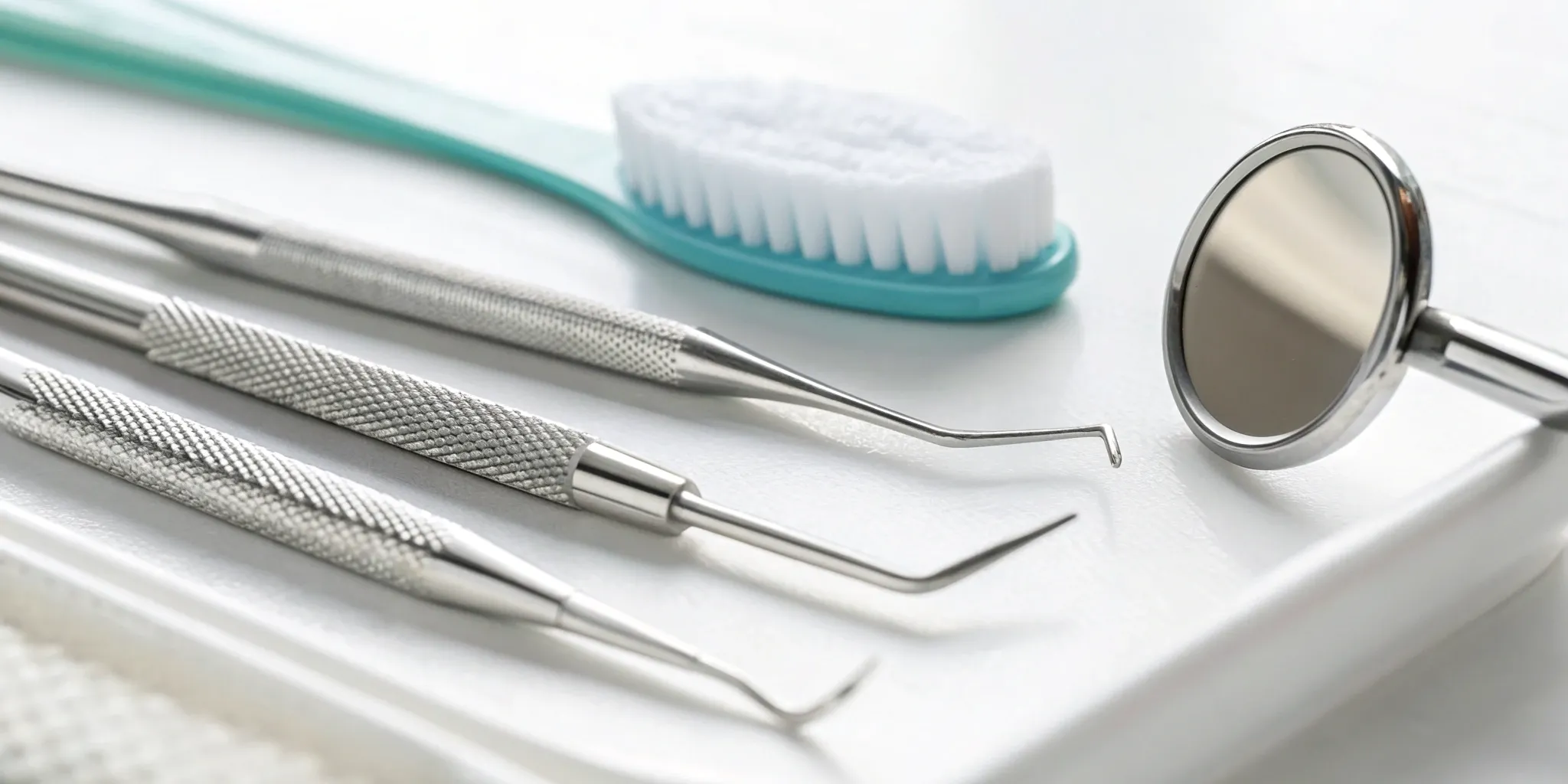
To get the job done right, we use specialized instruments. For both types of cleanings, your hygienist might use a combination of hand scalers and ultrasonic tools. Ultrasonic instruments use vibrations to gently break up larger tartar deposits, while fine hand tools allow for precise and detailed cleaning around each tooth and beneath the gumline. It’s important to remember that while a regular cleaning is for maintenance, teeth scaling is a specific treatment for active gum disease. We use these advanced tools to provide the most effective care, whether it’s a routine visit or a more advanced procedure like LANAP gum laser surgery.
Do You Need a Regular or Deep Cleaning?
Figuring out which type of dental cleaning you need can feel confusing, but it really comes down to one thing: the health of your gums. While a regular cleaning is a fantastic tool for maintaining a healthy smile, a deep cleaning is a specific treatment to get your gum health back on track. Let’s walk through the signs for each so you can feel confident about the care you need.
Signs a Regular Cleaning Is All You Need
If your gums are generally healthy and you keep up with your dental visits, a regular cleaning is likely all you need. This is the standard procedure we perform during your twice-yearly checkups. Think of it as essential maintenance for your smile. A regular cleaning focuses on removing plaque and tartar from the surfaces of your teeth—the parts you can see.
You’re probably on the right track for a regular cleaning if:
- Your gums are firm, pink, and don’t bleed when you brush or floss.
- You don’t have significant tartar buildup.
- You’re simply coming in for your routine preventive care.
Our general dentistry services are designed to keep your smile bright and prevent problems before they start.
Warning Signs That Point to Teeth Scaling
A deep cleaning, also known as teeth scaling and root planing, is a different procedure altogether. It’s a necessary treatment when there are signs of gum disease. This condition causes pockets to form between your teeth and gums, where plaque and tartar can hide and cause infection. A regular cleaning can’t reach these areas.
You might need a deep cleaning if you’re experiencing:
- Gums that are red, swollen, or tender to the touch.
- Gums that bleed easily when you brush or floss.
- Gums that seem to be pulling away from your teeth, making them look longer.
- Persistent bad breath or a bad taste in your mouth.
- Loose teeth.
These are all signs that you need a more intensive periodontal treatment to remove the buildup below the gumline and help your gums heal.
Common Myths About Deep Cleaning, Debunked
One of the biggest misconceptions is that a deep cleaning is just a “better” or more intense version of a regular cleaning. This isn’t true. A deep cleaning is a specific treatment for an active disease, not a preventive measure for a healthy mouth. You wouldn’t request a deep cleaning for the same reason you wouldn’t ask for a filling if you didn’t have a cavity.
It’s a targeted procedure prescribed by your dentist to stop gum disease from progressing. While a regular cleaning maintains health, a deep cleaning restores it by treating the infection at its source. It’s a crucial step in preventing more serious issues like bone and tooth loss, and sometimes it’s the first step before more advanced treatments like LANAP gum surgery.
Understanding the Benefits, Recovery, and Cost
Deciding between a regular cleaning and teeth scaling involves looking at the benefits, what recovery looks like, and the costs. Both procedures are investments in your oral health, but they serve different purposes. A regular cleaning is all about proactive maintenance, while teeth scaling is a targeted treatment to get your gum health back on track. Understanding the key differences will help you feel confident about your dental care plan and what to expect every step of the way. Let’s break down what each procedure entails for your health, your comfort, and your wallet.
The Perks of Consistent Regular Cleanings
Think of a regular dental cleaning as essential maintenance for your smile. This is your first line of defense against cavities and gum disease. During a routine visit, your hygienist removes plaque and tartar from the surfaces of your teeth and just along the gum line—the areas that daily brushing and flossing can sometimes miss. Sticking to a consistent schedule, typically every six months, prevents harmful bacteria from building up and causing bigger problems down the road. It’s a simple, effective way to maintain your oral health, keep your breath fresh, and ensure your smile stays bright. This foundational part of general dentistry is key to preventing the need for more intensive treatments.
Why Teeth Scaling Is So Effective for Gum Health
When plaque and tartar have made their way below the gum line, a regular cleaning just won’t cut it. That’s where teeth scaling comes in. This procedure is a deep cleaning that specifically targets the buildup on your tooth roots and in the pockets between your teeth and gums. By carefully removing these deposits, we can stop gum disease from progressing. The second part of the treatment, called root planing, involves smoothing the tooth roots. This makes it harder for new bacteria to attach and helps your gums heal and reattach to your teeth. It’s a crucial step in periodontal treatment that actively restores the health of your gums.
What to Expect After Your Procedure
After a deep cleaning, it’s completely normal for your gums to feel a bit sensitive or tender for a few days. You might also notice some minor swelling or bleeding as they begin to heal. This is a positive sign that your body is recovering. You can easily manage any discomfort with over-the-counter pain relievers. We recommend sticking to soft foods and avoiding anything extremely hot or cold for the first day or two. Your comfort is important to us, and we provide detailed post-care guidelines to ensure your recovery is as smooth and quick as possible. If you experience any heavy or persistent bleeding, be sure to give our office a call.
A Look at Costs and Insurance Coverage
It’s true that teeth scaling costs more than a standard cleaning, and there’s a good reason for it. The procedure is more detailed, requires more time—often split into two or more appointments—and uses specialized techniques to treat gum disease. The good news is that many dental insurance plans provide coverage for scaling and root planing, as it’s considered a necessary medical treatment. We always recommend checking with your provider to understand your specific benefits. Our team is here to help you with the insurance process and discuss any out-of-pocket costs. Think of it as a vital investment in preventing more complex and expensive dental issues in the future.
How to Maintain Your Smile After Treatment
Keeping your smile bright and healthy after a cleaning or scaling treatment is a team effort between you and your dentist. Think of your professional cleaning as hitting the reset button for your oral health. What you do afterward is key to making those results last. Following a consistent routine will help prevent future buildup, protect your gums, and keep your teeth feeling smooth and clean for months to come. It’s all about building simple, effective habits that fit into your daily life.
This after-care phase is where you take control, turning a professional treatment into long-term wellness. By pairing our in-office care with your diligence at home, you can prevent the issues that led to needing a deep cleaning in the first place. We’re here to guide you with practical steps that protect your investment in your smile and ensure your mouth feels as healthy as it looks.
How Often Should You Schedule a Cleaning?
For most people, the sweet spot for maintaining a healthy smile is scheduling a professional cleaning twice a year. These six-month check-ins are your best defense against the plaque and tartar that daily brushing can’t always reach. This frequency allows our team to remove buildup before it hardens and causes problems, and it gives us a chance to catch any potential issues early on. Think of it as essential maintenance for your smile. These regular visits are a core part of our general dentistry philosophy, helping you avoid more complex treatments down the road and keeping your oral health right on track.
Follow-Up Care After Teeth Scaling
If you’ve had a teeth scaling and root planing procedure, your follow-up schedule will look a little different. Because this treatment addresses active gum disease, we’ll want to see you more frequently to ensure your gums are healing properly and to prevent a recurrence. We typically recommend periodontal maintenance cleanings every three to four months. These appointments are more than just a cleaning; they are crucial for managing gum health and protecting the progress you’ve made. This proactive approach is a cornerstone of effective periodontal treatment and helps safeguard the very foundation of your smile for years to come.
At-Home Habits to Keep Your Gums Healthy
Your daily habits are just as important as your professional cleanings. Brushing thoroughly twice a day with a soft-bristled brush and flossing at least once daily are non-negotiable for removing plaque and preventing tartar. A balanced diet that’s low in sugar also plays a huge role in keeping your mouth healthy by limiting the fuel for harmful bacteria. When you combine a great at-home routine with regular dental visits, you create a powerful defense against decay and gum disease. Our doctors are always here to offer personalized tips to help you perfect your home care routine and answer any questions you have.
Our Best Post-Care Tips for a Smooth Recovery
It’s normal to experience some mild sensitivity or sore gums after a deep cleaning. Any bleeding should subside within a couple of days, while tenderness can last for about a week. To help your gums heal, stick to soft foods like yogurt, soup, or smoothies for the first day or two. Rinsing with warm salt water can also soothe discomfort and promote healing. It’s important to continue brushing and flossing, but be gentle around the treated areas. For more detailed instructions tailored to your specific procedure, you can always reference our post-care guidelines or give our office a call.
Related Articles
- Post-Op Care GUIDELINES
- General Dentistry
- Periodontal Treatment
- LANAP Gum Surgery NYC
- Teeth Whitening
Frequently Asked Questions
Does teeth scaling hurt? We make sure it doesn’t. Your comfort is our main focus, so before we start a deep cleaning, we’ll numb your gums with a local anesthetic. You might feel some pressure during the procedure, but you shouldn’t feel any pain. Afterward, it’s completely normal to have some tenderness for a few days as your gums heal, but this is easily managed and a sign that the treatment is working.
If my dentist recommends a deep cleaning, can I just get a regular one instead? Unfortunately, no. A regular cleaning and a deep cleaning serve two completely different purposes. A regular cleaning is for maintaining healthy gums by cleaning the visible parts of your teeth. A deep cleaning is a specific medical treatment to stop active gum disease by cleaning below the gumline. Trying to substitute one for the other would be like putting a bandage on a problem that needs stitches—it just won’t address the underlying issue.
What happens if I ignore my dentist’s recommendation for a deep cleaning? Putting off a recommended deep cleaning allows the infection in your gums to progress. This can lead to more serious problems, including chronic bad breath, damage to the bone that supports your teeth, and eventually, tooth loss. Addressing gum disease early with scaling is the best way to protect your smile and prevent the need for more complex and costly procedures in the future.
Can I go back to regular six-month cleanings after I’ve had a deep cleaning? Once you’ve had a deep cleaning, your care plan shifts to focus on maintenance to keep the gum disease from returning. Instead of a standard six-month cleaning, we’ll likely recommend periodontal maintenance cleanings every three to four months. These appointments are more thorough than a regular cleaning and are essential for managing your gum health long-term and protecting the progress you’ve made.
How does the dentist decide which cleaning I need? Your dentist makes the decision based on a careful examination of your gums. During your check-up, we measure the small spaces, or pockets, between your teeth and gums. Healthy gums have very shallow pockets. If we find that these pockets are deeper than normal, it’s a clear sign that plaque and tartar have built up below the gumline, indicating the need for a deep cleaning to restore your gums to health.