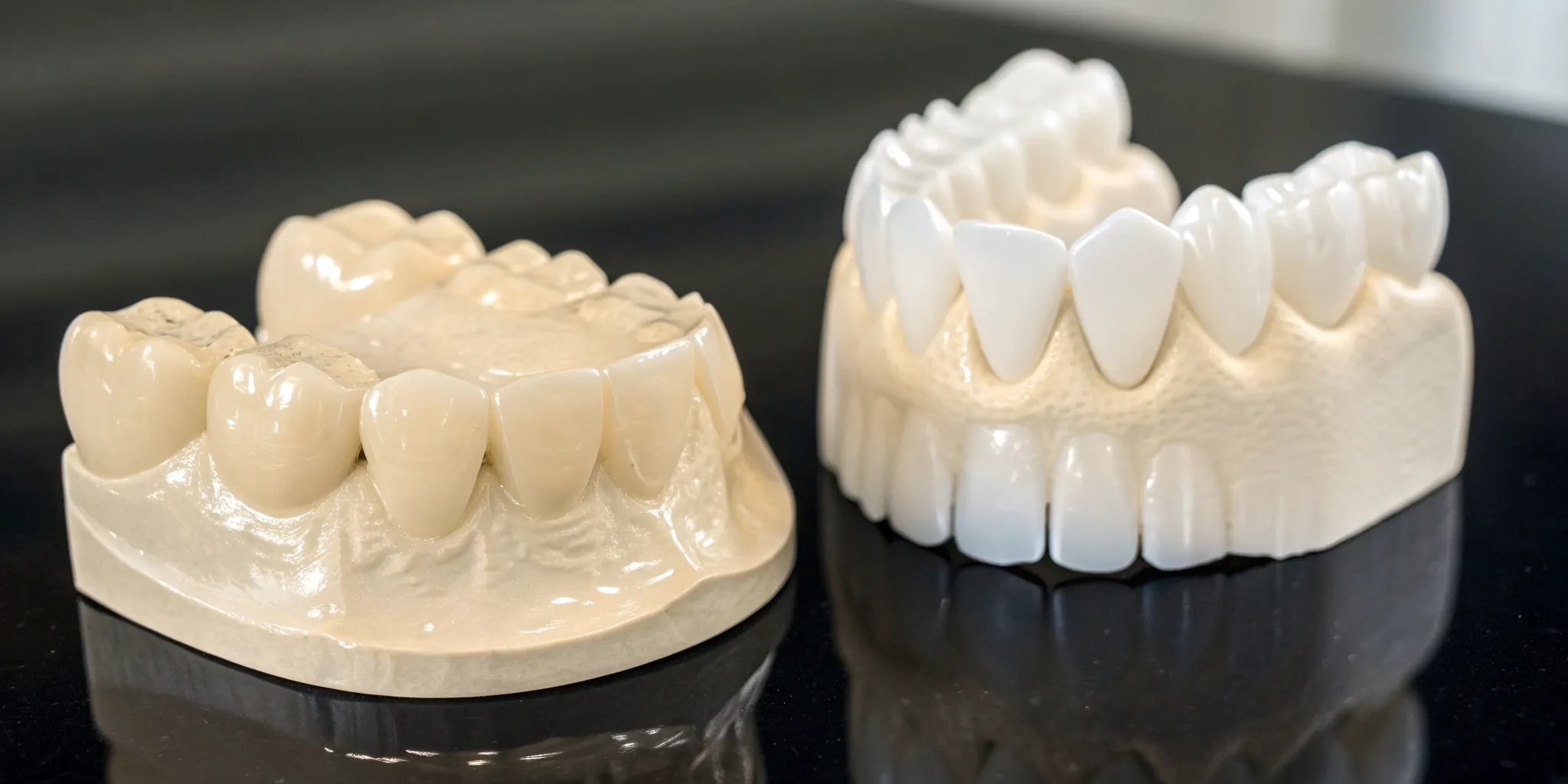




Let’s use an analogy. If you have a crack in a wall, you can either spackle and paint over it for a quick cosmetic fix, or you can reinforce the structure behind the wall for a permanent repair. This is a simple way to think about the difference between dental bonding and gum grafting. Bonding is like the spackle—a brilliant, non-invasive way to cover the exposed tooth root, reducing sensitivity and improving appearance. A gum graft is the structural repair—a surgical solution that rebuilds the lost gum tissue for a durable, long-lasting result. Understanding the bonding vs gum grafting comparison is key to choosing the right level of intervention for your specific needs and long-term goals.
Key Takeaways
- Bonding Covers, Grafting Rebuilds: Dental bonding is a quick, non-invasive cosmetic fix that covers exposed tooth roots to reduce sensitivity. A gum graft is a surgical procedure that actually restores lost gum tissue for a more permanent, structural solution.
- The Right Treatment Depends on Your Needs: Choose bonding for mild recession where your main concerns are appearance and sensitivity. A gum graft is the necessary solution for significant gum loss to protect the tooth’s foundation and prevent future problems.
- A Professional Consultation Is Key: You don’t have to guess which option is right for you. A thorough dental exam is the only way to get a clear diagnosis and a personalized treatment plan that ensures the long-term health and beauty of your smile.
Dental Bonding vs. Gum Grafting: What’s the Difference?
If you’ve noticed your gums pulling back from your teeth, you’re probably looking for a solution. Gum recession can cause tooth sensitivity and affect the look of your smile. Two common treatments you might hear about are dental bonding and gum grafting. While both can help cover exposed tooth roots, they are very different procedures designed for different situations. Understanding how each one works is the first step in figuring out the best path forward for your oral health. Let’s break down what each treatment involves.
What is Dental Bonding?
Think of dental bonding as a cosmetic fix for gum recession. In this procedure, your dentist applies a tooth-colored composite resin directly to the tooth where the root is exposed. This material is the same kind used for tooth-colored fillings. The resin covers the sensitive part of the root, protecting it from hot and cold temperatures and preventing decay. It’s a relatively simple, non-invasive treatment that can be completed in a single visit. Dental bonding is a great option for improving the appearance of your smile and reducing sensitivity when the gum recession is mild. It’s one of the many cosmetic dentistry services that can make a big impact.
What is Gum Grafting?
Gum grafting is a surgical procedure designed to restore your natural gum line. Unlike bonding, which covers the tooth, grafting actually rebuilds the gum tissue. During the procedure, a small piece of healthy tissue is typically taken from the roof of your mouth and carefully stitched into place where the gums have receded. This new tissue integrates with the existing gums, covering the exposed root and creating a healthier, more stable gum line. Gum grafting is a more permanent solution that addresses the underlying issue of tissue loss, making it a key part of periodontal treatment for more significant cases of recession.
How Do the Two Treatments Compare?
The main difference between bonding and grafting comes down to their approach: one covers the problem, while the other restores the tissue. Dental bonding is a quicker, less invasive, and more affordable option that acts as a protective shield over the exposed root. It’s ideal for minor recession where the primary concerns are sensitivity and aesthetics. Gum grafting, on the other hand, is a surgical solution that rebuilds what’s been lost. It’s recommended when there’s significant gum loss that could threaten the health of the tooth. While it involves a longer recovery time, a gum graft provides a more durable, long-term fix for your gum health.
Which Treatment Is Right for Your Gums?
Deciding between dental bonding and a gum graft can feel overwhelming, but it really comes down to the extent of your gum recession and your long-term goals. One is a cosmetic fix, while the other is a structural repair. Understanding the purpose of each treatment is the first step in figuring out which path is right for you. Your dentist will be your guide, but here’s a breakdown to help you understand your options.
When Dental Bonding Is the Best Choice
Think of dental bonding as a protective, cosmetic touch-up for your gums. This non-invasive procedure is a great choice for mild to moderate gum recession where the underlying issue isn’t severe. We use a tooth-colored composite resin to cover the exposed root, which can immediately reduce sensitivity and improve the look of your smile. If your gums are otherwise healthy and you don’t have active gum disease, bonding is a simple, effective, and often single-visit solution that falls under our cosmetic dentistry services. It’s perfect for addressing aesthetic concerns without the need for surgery.
When a Gum Graft Is Necessary
A gum graft is a surgical solution designed to treat the cause of significant gum recession, not just the symptoms. If you’ve lost a substantial amount of gum tissue, this procedure is necessary to protect your teeth from further damage and bone loss. During a graft, we move healthy tissue to the receded area to rebuild your gumline. This not only covers the exposed root but also strengthens the gums to prevent future recession. It’s a restorative procedure that provides a lasting foundation for your oral health and is a key part of a comprehensive periodontal treatment plan.
How Your Dentist Helps You Decide
You don’t have to figure this out on your own. The best treatment for you will be determined during a consultation where we can assess your specific needs. We’ll examine the severity of your gum recession, check for any signs of gum disease, and discuss your overall dental health. Our team of experienced doctors will walk you through the pros and cons of each option, explaining why one might be better suited for your situation. Together, we’ll create a plan that not only restores your smile but also ensures its health for years to come.
The Pros and Cons of Each Option
Making a decision about your dental health means weighing every option. Both dental bonding and gum grafting are effective for gum recession, but they work very differently. Understanding their unique benefits and drawbacks is key to figuring out which path is the best fit for your smile, your budget, and your long-term goals. Let’s break down what you can expect from each procedure.
Benefits and Drawbacks of Dental Bonding
Think of dental bonding as a simpler, less invasive solution. Its biggest advantage is that it’s a straightforward and affordable procedure. Using a tooth-colored composite resin, your dentist covers the exposed root, which can immediately reduce sensitivity. The process is quick, often done in a single visit, and can also be used for other cosmetic fixes, like closing small gaps. The main drawback is durability. Dental bonding isn’t a permanent fix and typically lasts about five to seven years before it needs to be replaced. It’s a great immediate solution but requires long-term maintenance.
Benefits and Drawbacks of Gum Grafting
A gum graft is a surgical procedure, making it a more involved but also more permanent solution. The primary benefit is that it addresses the root of the problem by restoring your natural gum line. This improves your smile’s appearance and provides a durable, long-lasting defense for your tooth roots against decay and sensitivity. A successful graft can last a lifetime. The main drawbacks are the cost and recovery time. As a surgical treatment, it’s more expensive than bonding and requires a healing period. For significant recession, it’s often the most effective way to restore your gum health.
A Look at Costs and Insurance Coverage
When it comes to cost, bonding is more budget-friendly upfront. However, since it needs to be replaced every five to ten years, those costs can add up. Gum grafting has a higher initial cost but may be more economical in the long run because a successful procedure can last a lifetime. The exact price for either treatment varies, so it’s important to get a personalized estimate. Many dental insurance plans offer some coverage, especially if the procedure is medically necessary. We can help you understand your benefits and provide a clear breakdown of costs before you commit to any periodontal treatment.
What to Expect During Your Appointment
Knowing what happens during a procedure can make the experience much more comfortable. Whether you and your dentist decide on bonding or a gum graft, understanding the process helps you prepare. Both treatments are designed to restore your gumline and protect your teeth, but the path to getting there looks quite different for each. Here’s a clear breakdown of what you can expect from the moment you sit in the dental chair.
The Dental Bonding Process, Step-by-Step
Dental bonding is a straightforward and relatively quick treatment. Think of it more like a cosmetic dentistry procedure than an intensive surgery. First, your dentist will select a composite resin material that perfectly matches the color of your natural teeth. The tooth surface is then lightly prepared to help the resin adhere. Next, your dentist carefully applies the putty-like resin to the area of recession, sculpting it to create a natural-looking extension of your gumline. A special light is used to harden the material, and a final polish ensures it blends seamlessly with your smile. The entire process typically takes about 30 to 60 minutes per tooth, and since it’s non-invasive, anesthesia usually isn’t needed.
The Gum Grafting Procedure and Timeline
A gum graft is a surgical procedure designed to treat more significant gum recession. The appointment will be longer and more involved than a bonding session. After numbing the area, your dentist will take a small piece of healthy tissue, often from the roof of your mouth, and carefully place it over the exposed tooth root. This graft is then secured with tiny sutures to hold it in place while it heals and integrates with your existing gum tissue. This type of periodontal treatment is a highly effective, long-term solution for restoring gum health and protecting your teeth from further damage. Your dental team will walk you through every step to ensure you feel comfortable and informed.
Managing Comfort and Recovery
The recovery experiences for bonding and gum grafting are worlds apart. With dental bonding, there’s virtually no downtime. Because the procedure is painless and doesn’t require anesthesia, you can walk out of the office and get right back to your day.
A gum graft, on the other hand, is a surgery and requires a healing period. Your mouth will be numb for a few hours afterward, and you can expect some tenderness and swelling. Your dentist will provide specific post-care guidelines to help you manage discomfort and ensure a smooth recovery. This usually involves sticking to soft foods for a week or two, avoiding strenuous activity, and following a special cleaning routine for the treated area.
Recovery and Long-Term Results
Understanding what to expect after your treatment is just as important as the procedure itself. Both dental bonding and gum grafting have different paths to recovery and offer different long-term outcomes for your smile. Here’s a look at what life is like after each procedure and how they compare when it comes to durability.
Caring for Your Smile After Dental Bonding
One of the biggest perks of dental bonding is how simple the recovery is. Since the procedure is non-invasive—no shots, no drilling—you can walk out of our office and get right back to your day. We just recommend you avoid things that could stain the fresh resin, like coffee, tea, or red wine, for the first 48 hours. To keep your bonded teeth looking great, stick to a solid oral hygiene routine. With proper care, bonding typically lasts between five and ten years. If it ever chips or gets scratched, the repair process is just as quick and easy as the initial treatment. It’s a fantastic option within our cosmetic dentistry services for a fast and effective fix.
The Healing Process After a Gum Graft
Because a gum graft is a surgical procedure, you’ll need to plan for some downtime to heal properly. Most people feel ready to return to work and their usual activities within a couple of days, but it’s important to take it easy. We’ll send you home with detailed post-care guidelines to ensure a smooth recovery. This usually involves eating soft, cool foods for a week or two and using a special mouth rinse to keep the area clean without disturbing the graft. You might experience some mild discomfort or swelling, but this is normal and can be managed easily. Following our instructions carefully is the key to helping your new gum tissue heal successfully and integrate with your smile.
Comparing the Longevity and Success of Each Treatment
When you look at the long-term picture, bonding and gum grafting serve different needs. Dental bonding is a durable and reliable fix that can last for many years, often up to a decade, before needing a touch-up or replacement. It’s an excellent choice for cosmetic improvements or minor recession. A gum graft, on the other hand, is a more permanent solution. As a form of periodontal treatment, its goal is to restore lost tissue for good. When the graft heals successfully and you maintain good oral health, the results can last a lifetime. The best treatment for you really depends on the extent of your gum recession and your long-term goals for your smile.
How to Make a Confident Decision
Choosing between dental bonding and gum grafting can feel like a big decision, but you don’t have to make it alone. The right path forward depends entirely on your unique situation—the extent of your gum recession, your overall oral health, and your long-term goals for your smile. Understanding the facts, knowing what to ask, and working with a dental team you trust are the key ingredients to making a choice you feel great about. Let’s walk through how to get there.
Common Myths About Gum Recession Treatments
It’s easy to get tangled up in misconceptions when researching dental treatments. One common myth is that dental bonding is just a temporary cosmetic fix. While it’s fantastic for improving your smile’s appearance, it’s also a durable and effective solution for minor gum recession where the root is slightly exposed. Another myth is that gum grafting is an intensely painful procedure with a difficult recovery. Modern techniques have made the process much more comfortable, and it remains the gold standard for treating significant recession and restoring long-term gum health. The most important thing to remember is that these treatments aren’t interchangeable; they solve different problems. Your choice will be based on a clinical diagnosis, not just personal preference.
Important Questions to Ask Your Dentist
Your consultation is the perfect time to get all the information you need. To feel confident, you need clarity. Walking into your appointment with a few questions prepared can make a world of difference.
Consider asking your dentist:
- Why do you recommend this specific treatment for my gums?
- What are the long-term benefits and potential risks I should know about?
- What does the recovery process involve, and how much downtime should I expect?
- Can you walk me through the costs and what my insurance may cover?
A great dentist will welcome your questions and provide thoughtful answers. The goal is to create a partnership where you and the experienced doctors on your team can build a treatment plan together.
Taking the Next Step Toward a Healthier Smile
Ultimately, both dental bonding and gum grafting aim to protect your teeth, reduce sensitivity, and give you a smile you love. The first step is always a comprehensive exam to assess your gum health. This allows your dentist to see the full picture and recommend the most effective solution. Instead of viewing this as a stressful decision, think of it as the start of a proactive plan for your oral health. By addressing gum recession now, you’re investing in the future of your smile. When you’re ready, scheduling a consultation for periodontal treatment is the best way to get personalized advice and move forward with confidence.
Related Articles
- Dental Bonding
- Create a Beautiful Smile with Cosmetic Dentistry
- LANAP Gum Surgery NYC
- General Dentistry
- Post-Op Care GUIDELINES
Frequently Asked Questions
Is gum grafting a better treatment than dental bonding? Neither treatment is inherently “better” than the other; they simply solve different problems. Think of dental bonding as a great solution for mild recession where your main concerns are appearance and sensitivity. A gum graft is a surgical repair for more significant tissue loss that threatens the health of your tooth. The right choice depends entirely on a professional diagnosis of your specific situation.
Will the procedure for bonding or grafting hurt? Dental bonding is a painless procedure that doesn’t typically require any numbing. You shouldn’t feel anything at all. For a gum graft, the entire area is thoroughly numbed before the surgery begins, so you won’t feel pain during the treatment. You can expect some tenderness and swelling afterward, but we provide detailed care instructions to help you manage any discomfort as you heal.
How do I know if my gums are receding? The most common signs of gum recession are teeth that appear longer than they used to, a visible notch where the tooth meets the gumline, or increased sensitivity to hot and cold foods. You might also notice that your gums look red or swollen. The only way to know for sure is to have a dental exam, where we can measure the gum pockets and determine the extent of any recession.
Can I prevent my gums from receding any further? Yes, you can absolutely take steps to protect your gums. The best defense is a gentle oral hygiene routine using a soft-bristled toothbrush. Aggressive brushing is a common cause of recession. Regular flossing, attending your dental cleanings, and wearing a nightguard if you grind your teeth are also key to keeping your gumline healthy and stable.
Does dental insurance typically cover these treatments? Insurance coverage really depends on your specific plan and the reason for the treatment. A gum graft is often covered, at least in part, because it’s considered a medically necessary procedure to prevent further damage or tooth loss. Dental bonding may be viewed as cosmetic, but it can sometimes be covered if it’s being done to treat tooth sensitivity. Our office can help you understand your benefits and provide a clear cost estimate.