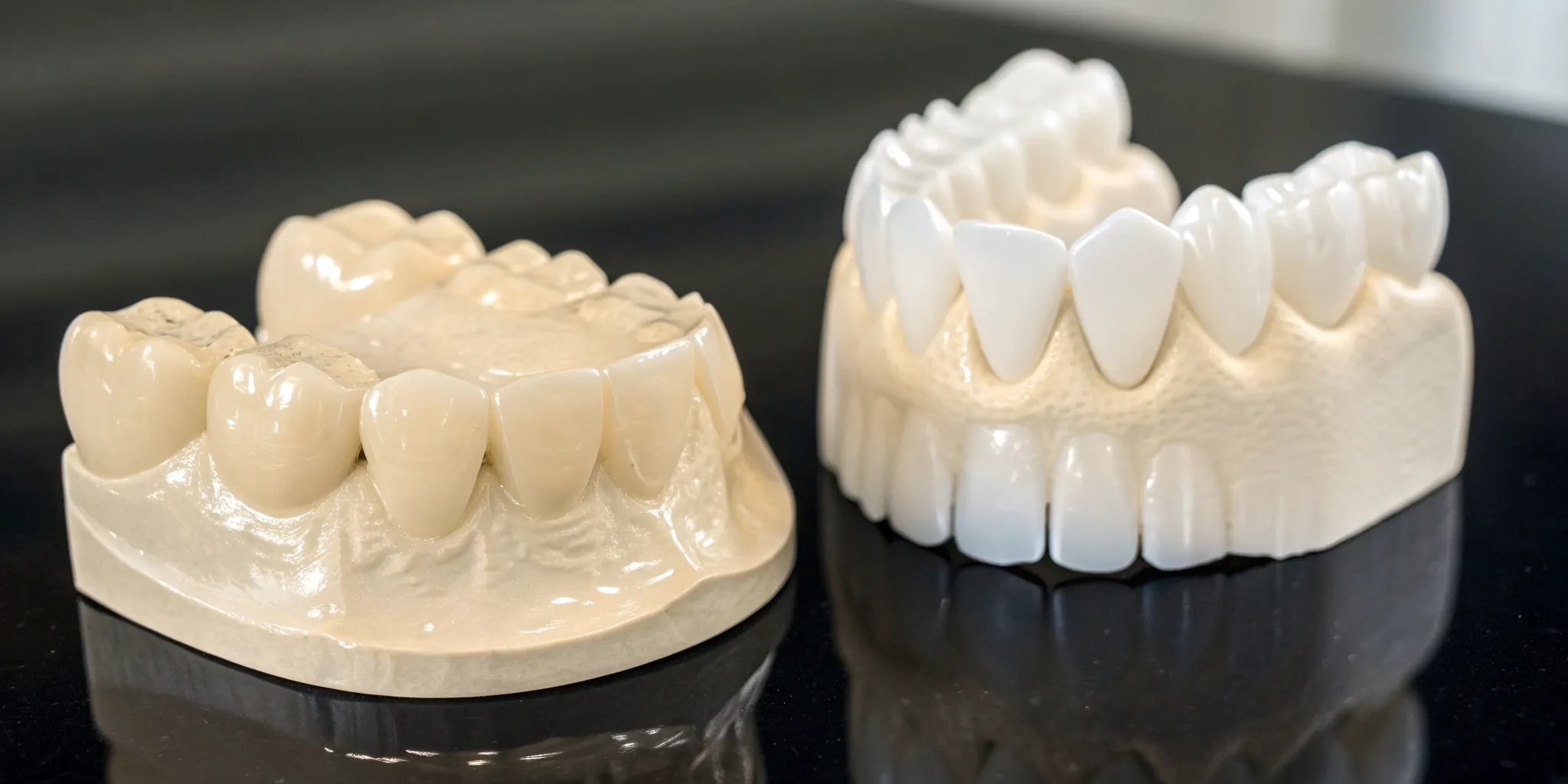




Losing a tooth can throw your whole world off balance. It changes how you eat, how you talk, and even how you feel when you smile. When you decide to do something about it, the next challenge is figuring out where to even begin, especially in a place as big as NYC. The search for a solution can feel overwhelming, with countless options and conflicting information. You need more than just a quick fix; you need a permanent, reliable solution that restores your confidence. This is where finding the right Implant dentist New york city becomes the most critical step. This guide is here to cut through the noise and give you a clear, straightforward path to finding an expert you can trust to rebuild your smile from the ground up.
Key Takeaways
- Focus on the Foundation, Not Just the Fix: A successful implant requires a healthy mouth. The best dentists will address gum health and jawbone density before surgery, creating the stable base your new tooth needs to last for years to come.
- Vet Your Dentist’s Credentials and Technology: Your outcome depends on your dentist’s skill. Look for board-certified specialists with a strong track record and ask if they use modern tools like 3D imaging and guided surgery for a more precise and predictable procedure.
- View Implants as a Long-Term Health Investment: While the initial cost is higher than other options, dental implants are a permanent solution that protects your overall oral health. They prevent jawbone loss and function like natural teeth, making them a smart, one-time investment in your smile and well-being.
What Can an NYC Implant Dentist Do for You?
When you think of an implant dentist, you probably picture someone who simply replaces missing teeth. While that’s a huge part of it, their expertise goes much deeper. A skilled implant specialist in NYC is a problem-solver for your entire smile, creating a healthy foundation before any restoration begins. They don’t just fill a gap; they restore function, health, and confidence. From single-tooth solutions to full-mouth reconstructions, their work is about providing a permanent, comfortable, and natural-looking fix. They handle everything from initial assessments and foundational procedures to the final placement, ensuring your new smile is built to last.
Replace a Single Missing Tooth
Losing a single tooth can feel surprisingly disruptive, affecting how you eat, speak, and smile. An implant dentist offers a permanent solution that looks and feels just like your natural tooth. Unlike a bridge, a dental implant stands on its own without impacting the neighboring teeth. The process involves surgically placing a titanium post into your jawbone, which acts as a new root. Once it heals, a custom-made crown is attached, blending seamlessly with your smile. This approach not only restores your tooth’s appearance but also preserves jawbone health, preventing the bone loss that typically follows tooth loss. It’s a straightforward and highly effective way to make your smile whole again.
Restore a Full Smile with All-on-4
If you’re facing the loss of most or all of your teeth, the thought of replacing them one by one can be overwhelming. This is where the All-on-4 dental implant technique comes in. This innovative approach allows your dentist to replace an entire arch of teeth using just four strategically placed implants. The best part? Patients can often replace missing teeth or get rid of loose, uncomfortable dentures in a single day. This provides a quick and effective solution for restoring a full, stable, and beautiful smile. It’s a life-changing procedure that gives you a fixed, permanent set of teeth, so you can eat, talk, and laugh without a second thought.
Prepare Your Jaw with Bone Grafts or Sinus Lifts
Sometimes, the jawbone isn’t immediately ready for an implant, especially if a tooth has been missing for a while. Without a tooth root to stimulate it, the bone can lose density and shrink. A great implant dentist will first prepare the jawbone to ensure a successful outcome. Procedures like bone grafts or sinus lifts are used to build up the area, creating a solid and stable foundation. These treatments ensure there is sufficient bone density to securely support the implants for the long term. Think of it as preparing the ground before building a house—it’s a crucial step that guarantees your new smile is strong and durable from the very beginning.
Improve Gum Health Before Implant Surgery
Healthy gums are essential for successful dental implants. If your gums aren’t in good shape, it can put the entire procedure at risk. Patients with untreated gum disease or inconsistent oral health habits may not be ideal candidates right away, as these conditions can compromise the implant’s success. A responsible implant dentist will always prioritize your overall oral health first. They will work with you to treat any existing periodontal issues, ensuring your gums are healthy and strong enough to support the implant. This foundational step not only sets you up for a successful surgery but also contributes to the long-term health and stability of your entire smile.
How to Choose the Right Implant Dentist in NYC
Finding the right dentist for your implants is a big decision, but it doesn’t have to be overwhelming. Think of it as assembling your personal health dream team—you want experts you can trust completely. The right provider will not only have the technical skills but also the right approach to make you feel comfortable and confident throughout the process. Your goal is to find a practice that combines deep experience with modern technology and a genuine commitment to patient care. By focusing on a few key areas, you can find a dentist in NYC who will help you achieve a healthy, long-lasting smile you’ll love.
Check for Board Certification and Specialized Training
When you’re looking for an implant specialist, credentials really matter. Look for a dentist who is board-certified in a relevant specialty like periodontics or prosthodontics. Board certification is a significant step beyond dental school; it means the dentist has completed extensive post-graduate training and passed rigorous exams, proving their expertise. A practice that has multiple specialists under one roof is a huge plus, as it ensures every part of your treatment is handled by an expert. Our team includes board-certified doctors who bring a higher level of skill and knowledge to your care, which is especially important for complex implant procedures.
Look for Experience with Complex Cases
Placing a dental implant is a precise art and science, and experience is the best teacher. You’ll want a dentist who has successfully placed hundreds, if not thousands, of implants. Don’t be shy about asking how long they’ve been performing these procedures. A dentist with a long track record has likely encountered and managed a wide variety of cases, from simple single-tooth replacements to more complex full-mouth restorations like All-on-4 dental implants. This depth of experience means they are better prepared to handle any unique challenges your case might present, ensuring a smoother process and a more predictable, successful outcome for you.
Read Patient Reviews and Check Their Reputation
Patient reviews are your window into what it’s really like to be treated at a dental practice. Before you even book a consultation, spend some time reading reviews on Google and other independent sites. Look for consistent themes. Are patients happy with their results? Do they mention feeling comfortable, heard, and well-cared for? Pay attention to comments about the dentist’s chairside manner, the friendliness of the staff, and the overall atmosphere of the office. A practice with a long history of positive feedback shows a commitment to patient satisfaction and is a strong indicator that you’ll be in good hands.
Evaluate Their Technology and Treatment Approach
The tools a dentist uses can make a huge difference in the quality of your implant treatment. Modern dental technology isn’t just about fancy gadgets; it’s about improving precision, comfort, and success rates. Ask if the practice uses tools like 3D CBCT scanners for detailed imaging, computer-guided surgery for exact implant placement, and advanced lasers for gum treatments. For example, using LANAP laser surgery can treat gum disease with less discomfort and faster healing. A dentist who invests in technology is investing in better outcomes for their patients, leading to implants that fit perfectly and last a lifetime.
Understanding the Cost of Dental Implants in NYC
Let’s talk about one of the biggest questions on everyone’s mind: the cost. It’s completely normal to wonder about the investment required for dental implants, and getting clear, honest information is the first step. While the final price tag can vary, understanding what goes into it can help you see the incredible value behind the numbers. Think of it not as a cost, but as a long-term investment in your health, confidence, and quality of life.
In New York City, the price for dental implants can seem high, but it reflects the level of skill, technology, and materials needed for a successful, lasting result. We’ll break down the common myths, the factors that influence the final price, and the financial options available to help you make an informed decision that feels right for you.
Common Myths About Implant Costs
One of the most common things I hear is that dental implants are simply unaffordable. While it’s true that the initial investment is higher than for options like dentures or bridges, that’s only part of the story. Implants are designed to last a lifetime with proper care, which means you avoid the recurring costs of replacing or repairing other types of restorations down the road. They offer a level of durability and function that is unmatched. So, while the upfront cost is a key consideration, it’s important to look at the bigger picture and the long-term savings.
What Factors Affect the Final Price?
The final cost of your dental implant treatment isn’t a single number; it’s a combination of several key components. The advertised price for an implant often only covers the surgical placement of the titanium post. The final restoration also requires an abutment (the connector piece) and a custom-made crown. Beyond that, your individual needs play a big role. Some patients may need preparatory procedures like a bone graft or sinus lift to ensure the jaw is strong enough to support the implant. The number of teeth being replaced, from a single tooth to a full arch with All-on-4 implants, will also determine the final investment.
Your Insurance and Financing Options
Feeling worried about how to fit this into your budget? Take a deep breath. Many dental practices, including ours, are committed to making this life-changing treatment accessible. We can help you understand what your dental insurance plan may cover, as some policies contribute to the cost of the crown portion of the implant. Beyond insurance, many dental offices offer flexible financing plans that allow you to break down the cost into manageable monthly payments. It’s always worth having a conversation with a practice’s financial coordinator to explore all the avenues available to you.
Why Value Matters More Than Price
When you choose dental implants, you’re investing in a permanent solution that protects your oral health for years to come. Unlike other options, implants fuse with your jawbone, preventing the bone loss that naturally occurs when a tooth is missing. This helps maintain your facial structure and keeps surrounding teeth stable. Because they function just like natural teeth, you can eat, speak, and smile with complete confidence. When you consider that bridges and dentures often need to be replaced every 5 to 15 years, the one-time investment in a lasting implant solution truly shows its value. It’s a smart choice for your smile and your overall well-being.
How Technology Creates Better Implant Results
When you think about getting a dental implant, you might picture a fairly straightforward procedure. But behind the scenes, technology has completely transformed how dentists approach implant surgery, making it more precise, predictable, and comfortable than ever before. A modern dental practice uses advanced tools not just because they’re new, but because they lead to better, longer-lasting results for you. From the initial planning stages to the final placement, technology helps your dentist see every detail of your unique anatomy, map out the perfect position for your implant, and perform the procedure with incredible accuracy.
This level of precision is key to the success of your dental implants. It means less time in the dental chair, a smoother recovery, and a final restoration that looks and feels completely natural. When a dentist invests in state-of-the-art equipment, they are investing in your health and the quality of your smile. It shows a commitment to providing the highest standard of care, ensuring that every step of your treatment is tailored specifically to you. This careful approach minimizes surprises and helps you feel confident and informed throughout the entire process.
3D Imaging and Guided Surgery
Gone are the days of flat, two-dimensional X-rays being the only tool for planning. Today, advanced practices use Cone Beam Computed Tomography (CBCT), which creates a detailed 3D model of your mouth. This allows your dentist to see the precise shape, width, and density of your jawbone, as well as the exact location of sensitive structures like nerves and sinuses. With this complete picture, there’s no guesswork. Your dentist can plan the implant placement digitally, ensuring it’s positioned at the perfect angle and depth for maximum stability and a beautiful final result. This detailed planning is the foundation of a successful and safe procedure.
High-Precision Lasers and Tools
Modern implant dentistry often involves more than just placing the implant itself. Sometimes, the gum tissue needs to be gently reshaped to create the ideal foundation for your new tooth. Instead of a traditional scalpel, many top dentists now use high-precision lasers. These advanced tools allow for incredibly accurate work on the soft tissues in your mouth with less bleeding and discomfort. Using a laser can also reduce inflammation and speed up your healing time. This technology is especially helpful in procedures like LANAP gum surgery, where precision is critical for preserving healthy tissue and promoting regeneration, ensuring your gums are healthy enough to support an implant.
Digital Planning for a Perfect Fit
The best implant results come from a process where the end goal is considered from the very beginning. Digital planning allows your dentist to do just that. Using digital scans of your mouth, they can design your final crown or bridge on a computer before the surgery even happens. This ensures that the implant is placed in the ideal position to support a restoration that fits perfectly with your bite and complements your smile. This digital workflow connects every step of the process, from surgery to restoration, creating a seamless experience and a predictable, highly aesthetic outcome that blends in with your natural teeth.
Why Better Tech Means Better Outcomes
Ultimately, all this technology serves one main purpose: to give you a better, more reliable result. When your dentist uses 3D imaging, guided surgery, and digital planning, the entire procedure becomes more predictable. This significantly increases the success rate of All-on-4 dental implants and single implants alike. For you, this means a safer surgery, a quicker and more comfortable recovery, and a final smile that you can feel confident about for years to come. These advancements also make implant treatment possible for more people, even those who may have been told in the past that they weren’t good candidates due to bone loss or other complexities.
Are You a Good Candidate for Dental Implants?
Thinking about dental implants is a big step toward reclaiming your smile, and it’s natural to wonder if they’re the right fit for you. The good news is that most people are great candidates. The success of dental implants depends less on your age and more on your overall health and specific dental needs. A thorough consultation is the only way to know for sure, but understanding the key factors can help you feel more prepared for that conversation. We’ll walk through what makes an ideal candidate, what might be a hurdle, and some common myths you can ignore.
Key Health Factors for Success
Your overall health and oral hygiene are the most important factors for implant success. To ensure the implant properly fuses with your jawbone, you need to have healthy gums and a solid commitment to oral care. Conditions like untreated gum disease can interfere with the healing process, so we always address those issues first. That’s why a comprehensive exam is our starting point. We want to make sure your mouth is a healthy environment for an implant to thrive. Good candidates are typically non-smokers, as smoking can slow down healing. Your general health matters, too, so be sure to discuss any chronic conditions like diabetes with your dentist.
How Age, Lifestyle, and Bone Density Play a Role
One of the biggest misconceptions is that age is a barrier to getting dental implants. The truth is, any adult with missing teeth can be a candidate, provided they are in good health. Your lifestyle choices, however, do play a role. Beyond smoking, habits that affect your oral health will be part of the conversation. The most critical technical factor is your jawbone density. Your jaw needs enough healthy bone to anchor the implant securely. Over time, a missing tooth can cause the bone to shrink, but don’t worry if this has happened. Modern dental implant technology has come a long way, offering durable and natural-looking solutions for almost everyone.
What Might Disqualify You (and Your Other Options)
If you’ve been told you don’t have enough bone for an implant, that doesn’t mean it’s the end of the road. It’s one of the most common challenges we see, and we have excellent solutions for it. Procedures like bone grafting or a sinus lift can rebuild the bone in your jaw, creating the strong foundation needed for a successful implant. While certain health conditions or a history of radiation therapy to the jaw area might make implants a less suitable option, there are always alternatives. For those with extensive tooth loss, treatments like All-on-4 dental implants can provide a full-arch restoration, often without the need for individual bone grafts.
Common Myths About Who Can Get Implants
Let’s clear up a few common myths. First, implants are not just for older adults. People of all ages who have lost a tooth due to injury, decay, or other reasons can benefit from this permanent solution. Second is the myth about cost. While implants can have a higher upfront cost than other options, they are a long-term investment in your health and confidence. Their durability often makes them a more cost-effective solution over time compared to bridges or dentures that may need replacement. The best way to get clear, personalized information is to schedule a consultation with one of our experienced doctors who can walk you through every aspect of the process.
What to Expect During Your Recovery
The success of your dental implant doesn’t end when you leave our office—your recovery period is just as important. Knowing what to expect can help you heal smoothly and feel confident every step of the way. Here’s a look at the typical recovery timeline and how you can ensure the best possible outcome for your new smile.
Your First Few Days: Healing and Comfort Tips
After your implant surgery, it’s completely normal to experience some swelling, bruising, and mild discomfort. Think of it as your body’s natural way of starting the healing process. To keep comfortable, you can apply a cold pack to your cheek for 15-minute intervals and stick to soft foods like yogurt, smoothies, and soup. We’ll provide you with detailed instructions, but the key is to rest and let your body recover. While some soreness is expected, pain that gets worse instead of better can be a sign of a complication. Following our post-care guidelines is crucial, and never hesitate to call us if you feel something isn’t right.
The Full Recovery and Restoration Timeline
Patience is key during the full recovery period. The most important healing happens beneath the gums, where the implant post fuses directly with your jawbone. This process, called osseointegration, is what makes dental implants so strong and stable. This critical step typically takes anywhere from three to six months. During this time, you’ll have a temporary restoration so you can eat and smile normally. Once the implant is fully integrated and the foundation is solid, we’ll be ready to attach your permanent, custom-made crown, completing your new smile. It’s a multi-step process that ensures your implant will last for years to come.
How to Prevent Infection and What to Watch For
Keeping the surgical site clean is your top priority for preventing infection. We’ll show you exactly how to care for the area, which usually involves gentle saltwater rinses. Post-surgical infections are one of the most common complications, so it’s important to be vigilant. Pay close attention to how you’re feeling. Be on the lookout for persistent pain that doesn’t fade after a few days, swelling that returns, or any signs of a loose implant or receding gums around the site. If you notice any of these issues, it’s important to contact our office right away so we can address the problem before it becomes more serious.
Caring for Your Implants for Life
One of the best things about dental implants is how easy they are to maintain. Once your final crown is in place and everything has healed, you can care for your implant just like you would a natural tooth. There are no special creams or adhesives to worry about. Simply stick to a great oral hygiene routine: brush twice a day, floss daily, and keep up with your regular check-ups. Your implant can’t get a cavity, but the surrounding gums still need care to stay healthy. Consistent general dentistry visits will ensure both your natural teeth and your implant remain in excellent shape for a lifetime.
The Long-Term Benefits of Dental Implants
Choosing dental implants is a big decision, but it’s one that pays off for decades. Unlike other options that only last a few years, implants are a permanent solution designed to support your health, confidence, and quality of life. They are much more than a cosmetic fix; they are a true investment in your long-term well-being, protecting your smile and your overall health.
A Stronger, More Natural-Feeling Smile
One of the best things about dental implants is how seamlessly they integrate with your body. The implant post fuses with your jawbone, creating a stable root that feels and functions just like a natural one. You can eat your favorite foods without worry. Because the implant is anchored in your bone, it provides incredible stability. Plus, the crown attached to the implant is impervious to cavities, making it a durable and reliable part of your smile for life.
Protect Your Jawbone and Facial Shape
When you lose a tooth, the underlying jawbone loses the stimulation it needs to stay strong, which can cause your facial features to sag over time. Dental implants are the only tooth replacement solution that actively prevents this. By mimicking a natural tooth root, the implant continues to stimulate the jawbone, signaling your body to maintain its structure. This preserves your natural facial contours. Solutions like All-on-4 dental implants can even protect the bone structure of your entire jaw.
Regain Your Confidence and Appearance
A gap in your smile can make you feel self-conscious. Dental implants restore your smile so perfectly that no one will know you were missing a tooth. The custom-crafted crown is matched to the exact shade and shape of your surrounding teeth for a flawless, natural look. This restoration of a full, healthy smile can have a profound impact on your self-esteem. It’s a key part of our approach to cosmetic dentistry, helping you feel free to laugh and talk without a second thought.
A Smart Investment in Your Health
While dental implants may seem like a significant expense upfront, they are often the most cost-effective solution long-term. Other options, like bridges and dentures, frequently require repairs and replacements, and those costs add up. Implants, however, are designed to last a lifetime with proper care. They also prevent costly future dental problems by stopping jawbone loss and keeping adjacent teeth from shifting. This makes them a wise investment in your commitment to lifelong general dentistry care.
How to Find the Best Implant Dentist in NYC
Finding the right dentist for your implants is a huge step, and in a city like New York, the options can feel overwhelming. But you don’t have to just pick a name from a list. The key is knowing what to look for and what questions to ask so you can feel confident in your choice. Think of it as building a partnership for your health—you want someone with the right skills, technology, and approach to support you from start to finish.
Where to Look in Manhattan and Harlem
Your search for a great implant dentist can start with major institutions like Mount Sinai’s dental program, which are known for their specialized surgeons. But you can also find that same level of expertise right here in your community. Look for a local practice with a team of highly qualified specialists who are not just skilled but also invested in their patients. A practice that has served the neighborhood for generations often provides a more personal and trusting environment. The best dentists are proud to introduce their team, so check their website to learn about the doctors’ qualifications and their connection to the community.
Key Questions to Ask at Your Consultation
Your consultation is your time to interview the dentist. Don’t be shy—this is your health, and you deserve clear answers. Start by asking about their specific experience with cases like yours. A great follow-up is, “What technology do you use for implant procedures?” Modern practices use tools like 3D imaging and computer-guided surgery for greater precision. Finally, get a clear breakdown of the costs. Ask for a written treatment plan that details every expense, and inquire about financing options. A transparent office will be happy to walk you through everything so there are no surprises down the road.
Warning Signs of the Wrong Provider
Just as important as knowing what to look for is knowing what to avoid. A major red flag is a price that seems too good to be true. Extremely low costs can sometimes mean lower-quality materials are being used, which could lead to problems later. Another warning sign is a lack of transparency. If a provider is vague about the total cost or won’t give you a detailed treatment plan, it’s best to walk away. You should also feel confident in their plan for your recovery. Ask about their post-operative care and how they handle potential complications. If you feel rushed or your questions are dismissed, trust your gut and find a provider who makes you feel heard and respected.
How to Make Your Final Choice
Once you’ve narrowed down your list of potential implant dentists, it’s time to make a decision. This final step is about more than just picking a name; it’s about committing to a partner for your long-term oral health. The right choice will leave you feeling confident and cared for from your first consultation to your final follow-up. Think of this as the moment you take control of your smile’s future. It involves carefully weighing the treatment plans, understanding the financial commitment, and preparing yourself for the first big step. By focusing on these three areas, you can move forward with clarity and peace of mind, knowing you’ve found the perfect practice for your needs.
Compare Your Treatment Plan Options
Every patient is unique, and so is every treatment plan. When you receive a proposal from a dentist, look beyond the final price. Does the plan address all of your concerns? Some practices specialize in specific procedures, like All-on-4 dental implants, while others have in-house periodontists to manage gum health before surgery. At Harlem Center, our team of specialists collaborates to create a comprehensive plan tailored to you. Ask each potential dentist why they recommend a particular approach, what materials they use, and what the timeline looks like. A great provider will explain everything clearly, ensuring you understand how their strategy will give you the best possible long-term results for your smile.
Confirm Your Financial Plan
Let’s be honest: dental implants are a significant investment in your health. While it’s tempting to search for the cheapest option, value is far more important. The final cost can be affected by necessary preliminary procedures, such as a bone graft or sinus lift. Before you commit, make sure you have a detailed, itemized breakdown of all expected costs. Ask what’s included in the quote—from the surgery to the final crown. Most importantly, discuss your payment options. Many dental offices offer flexible financing plans to make the treatment more manageable. A transparent and supportive office will work with you to find a financial solution that fits your budget without compromising the quality of your care.
Get Ready for Your First Appointment
Your initial consultation is a crucial step. This is where you’ll meet the team, and the surgeon will perform a thorough exam, likely including X-rays and a 3D scan to assess your jawbone. This isn’t just a sales pitch; it’s a detailed evaluation to confirm you’re a good candidate for dental implants. Come prepared with any questions you have about the procedure, recovery, or the team’s experience. Feeling comfortable and confident with the people who will be restoring your smile is essential. Getting to know the doctors and their qualifications beforehand can help you feel more at ease and ready to start your journey toward a permanent, natural-feeling smile.
Related Articles
Frequently Asked Questions
How painful is getting a dental implant? This is one of the most common questions, and the answer is usually a pleasant surprise. The surgery itself is not painful because the area will be completely numb with local anesthesia. Afterward, you can expect some soreness and swelling, similar to other dental procedures, but this is typically manageable with over-the-counter pain relievers. Most people are back to their normal routines within a day or two.
How long will my dental implant last? Think of a dental implant as a permanent addition to your smile. While bridges or dentures may need to be replaced every 5 to 15 years, an implant is designed to last a lifetime. The key is proper care. If you brush, floss, and attend your regular dental check-ups, your implant can remain a stable and reliable part of your smile for decades to come.
What if I was told I don’t have enough bone for an implant? That doesn’t automatically mean you’re out of options. It’s very common for the jawbone to shrink after a tooth has been missing for a while. A skilled implant specialist can often rebuild the necessary foundation using procedures like a bone graft or a sinus lift. These treatments create the strong, dense bone structure needed to securely anchor an implant for long-term success.
Why should I choose an implant instead of a less expensive bridge? While a bridge can seem like a more budget-friendly choice upfront, an implant is a better investment in your overall oral health. A bridge requires grinding down the healthy teeth on either side of the gap to act as anchors. An implant, however, stands on its own without impacting your other teeth. It also fuses with your jawbone, which prevents bone loss and helps maintain your facial structure over time.
Is the All-on-4 procedure really a one-day smile makeover? The “one-day” aspect refers to a truly transformative part of the process. On the day of your procedure, you will leave the office with a full set of beautiful, functional temporary teeth attached to the four implants. You can eat and smile with confidence right away. The final, permanent set of teeth is crafted and placed after your jaw has fully healed over the next few months.