



When you lose a tooth, the consequences go deeper than the visible gap. The underlying jawbone begins to shrink from a lack of stimulation, which can affect your facial structure and the health of your remaining teeth over time. A fixed bridge on implants is a unique solution because it actively supports your long-term oral health. The implants act like tooth roots, stimulating the bone and preventing deterioration. This guide breaks down the fixed bridge on implants procedure, explaining how this advanced treatment not only restores your smile’s appearance but also protects the very foundation of your oral health for years to come.
Key Takeaways
- Get a stable smile without damaging healthy teeth: Unlike traditional bridges, an implant-supported bridge anchors directly to your jaw. This gives you a secure, permanent fit while preserving your natural teeth and preventing jawbone loss.
- Your health is the starting point: The best results come from having healthy gums and enough jawbone to support the implants. If you’re not there yet, treatments like periodontal care or bone grafting can create the strong foundation needed for success.
- Your daily routine is your best protection: Keeping your implant bridge healthy is as simple as caring for your own teeth. Focus on brushing thoroughly and cleaning under the bridge daily, and don’t skip your regular professional cleanings to ensure it lasts a lifetime.
What Is a Fixed Bridge on Implants?
If you’re missing several teeth in a row, it’s easy to feel like your options are limited. You might be weighing a removable partial denture against a traditional bridge, but there’s another solution that offers incredible stability and a natural feel: a fixed bridge on implants. Think of it as a permanent, non-removable restoration designed to fill a gap left by multiple teeth. Unlike dentures that you take out at night, a fixed bridge is securely anchored in your mouth, so it looks, feels, and functions just like your natural teeth. You can forget about messy adhesives or worrying about anything slipping out of place.
This modern approach uses dental implants as a foundation, creating a strong and durable base that integrates directly with your jawbone. This connection is what makes the bridge so secure. The result is a seamless smile and the confidence to eat, speak, and laugh without a second thought. It’s a long-term solution that not only restores your smile’s appearance but also helps maintain your oral health by stimulating the jawbone and preventing bone loss. For many people, it’s the closest you can get to having your own teeth back, giving you a renewed sense of comfort and freedom.
The Parts of an Implant-Supported Bridge
An implant-supported bridge has two main components that work together to restore your smile. First are the dental implants themselves. These are small, screw-like posts made of biocompatible titanium that are surgically placed into your jawbone. They act as artificial tooth roots, creating a powerful and stable foundation. Over time, your bone fuses with the implants in a process called osseointegration.
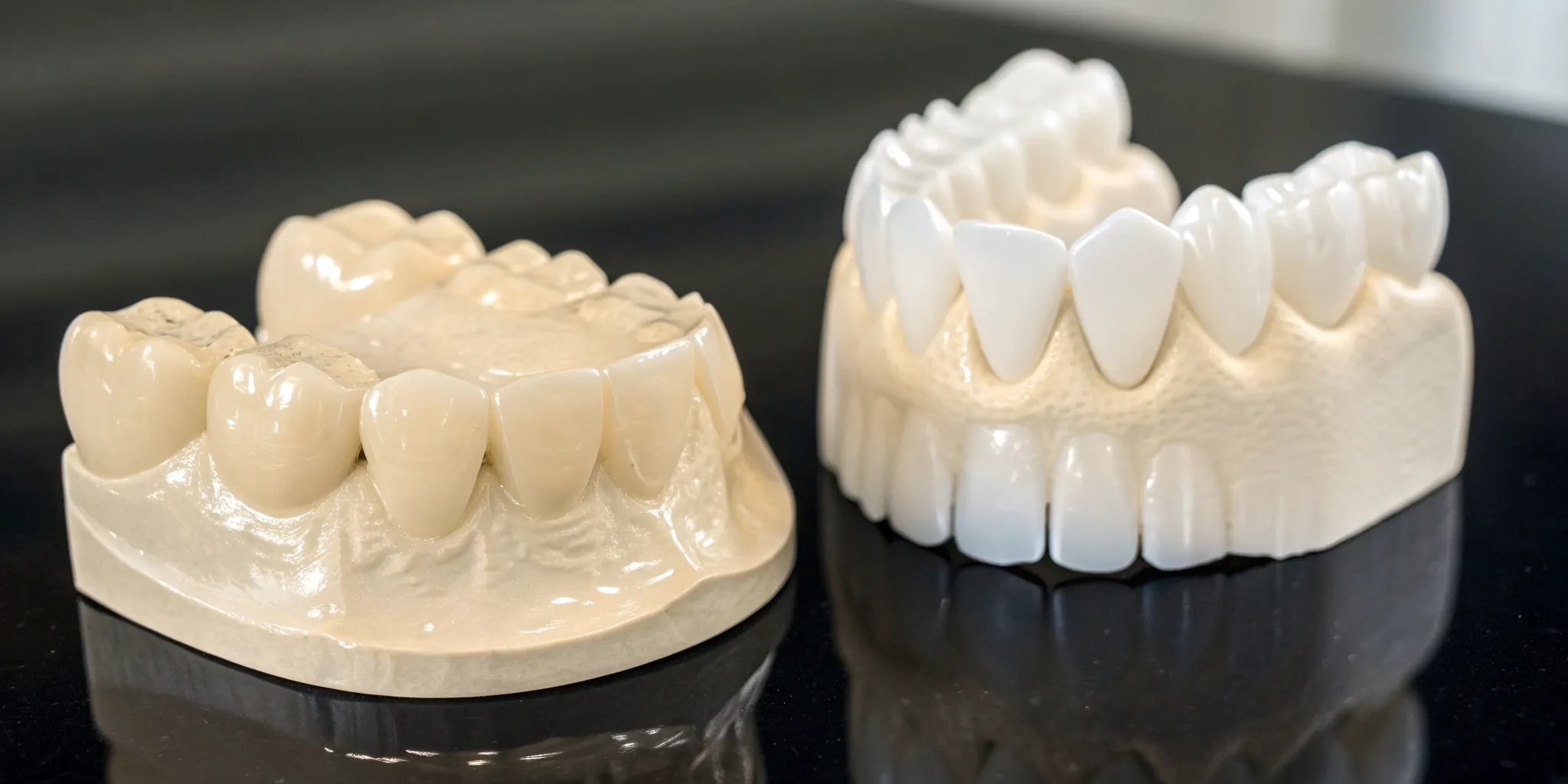
The second part is the bridge, which is the visible, tooth-like portion. This custom-made restoration consists of a series of prosthetic teeth that are joined together and designed to match the color and shape of your surrounding natural teeth. Once your implants have fully healed and integrated with your jaw, this bridge is securely attached to them, filling the gap in your smile.
How It Differs From a Regular Bridge or Denture
The biggest advantage of an implant-supported bridge over a traditional one is how it’s supported. A traditional bridge relies on the healthy teeth on either side of the gap. To place it, your dentist has to file down those adjacent teeth to fit them with crowns, which then hold the bridge in place. An implant-supported bridge, however, is completely self-sufficient. It’s anchored by the implants, so your healthy neighboring teeth are left untouched.
Compared to a removable partial denture, a fixed bridge offers far more stability and convenience. There are no clasps to worry about, and you’ll never have to use messy adhesives. You can eat your favorite foods with confidence, and you’ll care for your bridge just by brushing and flossing, the same way you care for your natural teeth. It’s a truly integrated part of your smile, restoring both function and aesthetics as part of a comprehensive cosmetic dentistry approach.
Why Choose a Fixed Bridge on Implants?
If you’re missing several teeth in a row, you might be weighing your options. While dentures and traditional bridges are common, a fixed bridge on implants offers a unique set of benefits that can make a world of difference for your comfort, confidence, and long-term health. This solution goes beyond simply filling a space; it rebuilds your smile from the foundation up, providing a permanent and powerful alternative. Let’s look at why so many people find it to be the ideal choice for restoring their smile.
Enjoy a Stronger, More Stable Bite
An implant-supported bridge offers incredible stability. It’s anchored to dental implants that fuse with your jawbone, making it a permanent part of your smile that won’t slip or shift when you eat or speak. This means you can get back to enjoying all your favorite foods with confidence. The secure fit provides a biting and chewing force much closer to that of your natural teeth, giving you a level of function and comfort that removable options simply can’t match. It feels and works just like the real thing.
Restore Your Smile and Confidence
Missing teeth can make you hesitant to smile openly. A fixed bridge on implants is designed to change that. Each bridge is custom-crafted to match the color, shape, and size of your natural teeth for a seamless result. Our approach to cosmetic dentistry ensures your new smile looks completely authentic. Knowing your smile is secure and complete allows you to engage with the world more freely, giving you a major confidence lift in both social and professional settings. You can laugh and speak without a second thought.
Support Your Long-Term Oral Health
This solution does more than just replace teeth; it actively protects your oral health. When a tooth is lost, the underlying jawbone begins to shrink from lack of stimulation. Implants act like tooth roots, stimulating the bone and preventing this deterioration, which also helps maintain your natural facial structure. By preserving your jawbone, you create a healthier environment for your entire mouth. This makes it a proactive choice that supports a strong foundation for years to come, preventing future complications associated with bone loss.
Protect Your Healthy, Natural Teeth
Unlike a traditional bridge, an implant-supported bridge leaves your healthy teeth untouched. A traditional bridge requires filing down the teeth on either side of the gap to act as anchors, permanently altering their natural structure. With an implant-supported bridge, the restoration is supported entirely by the dental implants. This self-contained solution is a cornerstone of conservative general dentistry because it preserves as much of your natural, healthy tooth structure as possible, which is always our primary goal for your overall oral health.
Are You a Good Candidate for a Fixed Bridge on Implants?
A fixed bridge on implants can be a life-changing solution for replacing several missing teeth in a row. Unlike removable dentures, this type of bridge is permanently secured in your mouth, giving you a stable, natural-looking smile. But because it’s a surgical procedure, it’s not the right fit for everyone. The ideal candidate is someone with good overall oral and general health who is committed to maintaining their new smile for years to come.
The first step is always a thorough consultation to see if this is the best path for you. We’ll look at your specific situation, discuss your goals, and map out a plan that makes you feel confident.
Key Oral Health Requirements
Before we can place implants, we need to make sure your mouth is a healthy environment for them to thrive. This starts with having healthy gums, free from advanced periodontal disease. Because the implants are anchored directly into your jaw, any active infection or inflammation in the surrounding gum tissue could prevent them from healing properly and even lead to failure. If you do have signs of gum disease, don’t worry—it doesn’t automatically rule you out. We can often address it with effective periodontal treatment to restore your gum health before moving forward with implants. We’ll also check the health of any remaining natural teeth to ensure your entire smile is on a solid foundation.
The Role of Bone Density (and Your Options)
One of the most critical factors for success is having enough healthy bone in your jaw. Dental implants work by fusing directly with the bone in a process called osseointegration—this is what makes them so strong and stable. When you lose teeth, the jawbone in that area naturally begins to shrink over time. If too much bone has been lost, there may not be enough to support an implant securely. During your consultation, we use advanced imaging to measure your bone density and volume. If we find that your bone is too thin or soft, we have options. Procedures like bone grafting can rebuild the area, creating the strong base your new dental implants need to last a lifetime.
Health Conditions to Discuss with Your Dentist
Your overall health plays a big role in how well your body heals after surgery. That’s why it’s so important to have an open conversation about your complete medical history during your consultation. Certain chronic conditions, like uncontrolled diabetes or autoimmune disorders, can affect the healing process and your body’s ability to fight infection. Lifestyle habits, particularly smoking, can also significantly reduce the success rate of dental implants by restricting blood flow to the gums. Being upfront about your health allows our team to create a treatment plan that minimizes risks and gives you the best possible outcome. Together, we can determine if you’re a good candidate now or what steps we can take to get you there.
Getting Your Fixed Bridge on Implants: A Step-by-Step Guide
Thinking about getting a fixed bridge on implants can feel like a big step, but the process is more straightforward than you might imagine. We break it down into clear, manageable stages so you know exactly what to expect from start to finish. Our team is here to guide you through every phase, ensuring you feel comfortable and confident in your decision to restore your smile.
Step 1: Your Consultation and Custom Treatment Plan
Your journey begins with a one-on-one consultation. This is where we get to know you, your health history, and your goals for your smile. One of our dentists will perform a thorough examination of your mouth, which includes taking X-rays and 3D images to get a clear picture of your jawbone and oral structures. We’ll discuss all your options and answer every question you have. Together, we’ll create a personalized treatment plan that outlines each step, the timeline, and the costs involved, so you can move forward with complete clarity.
Step 2: Placing the Dental Implants
Once your custom plan is set, the next step is the implant placement surgery. During this appointment, any necessary tooth extractions are performed, and the dental implants—small titanium posts that act as artificial tooth roots—are precisely placed into your jawbone. It’s a common misconception that you need one implant for every missing tooth. Often, just two dental implants can securely support a bridge that replaces three or more teeth. We prioritize your comfort throughout the procedure, using local anesthesia to ensure the process is painless.
Step 3: The Healing and Fusing Process
After the implants are placed, your body begins a natural healing process called osseointegration. This is where the magic happens: your jawbone gradually fuses with the titanium implants, creating an incredibly strong and stable foundation for your future bridge. This critical healing phase typically takes a few months. While it requires patience, this fusion is what gives implant-supported restorations their remarkable durability and longevity. We’ll provide you with detailed post-care guidelines to support a smooth and comfortable recovery.
Step 4: Designing Your Custom Bridge
Once your implants have fully integrated with your jawbone, you’ll come back to our office so we can take impressions of your mouth. These detailed molds are sent to a specialized dental laboratory where skilled technicians will craft your custom bridge. We pay close attention to the shade, shape, and size of your natural teeth to ensure your new bridge blends in seamlessly. Our goal is to create a restoration that not only functions perfectly but also enhances the natural beauty of your smile through expert cosmetic dentistry.
Step 5: Attaching Your Final Bridge
This is the final and most exciting step. When your custom-made bridge is ready, you’ll return for your last appointment. We’ll check the fit and your bite to make sure everything is perfect before securely attaching the bridge to the implants. This final placement completes your restoration, leaving you with a strong, beautiful, and fully functional set of teeth. You’ll be able to leave our office ready to eat, speak, and smile with renewed confidence. It’s a truly transformative moment, and we love sharing it with our patients.
What to Expect During Recovery
Once your dental implants are placed, your body begins the important work of healing. This recovery phase is a crucial part of the process, as it’s when the implants create a strong, permanent bond with your jawbone. Think of it as building the foundation for your beautiful new smile. While it requires a bit of patience, the process is straightforward, and our team is here to support you every step of the way.
Knowing what to expect can make the experience feel much more manageable. Your recovery involves a specific healing timeline, a few simple care instructions to ensure you stay comfortable, and temporary teeth to keep you smiling confidently while you wait for your final bridge. We’ll provide you with a personalized plan, but understanding these key stages will help you feel prepared and in control. Our team of doctors has guided countless patients through this process, and we’re committed to making your recovery as smooth and comfortable as possible.
Your Healing Timeline
The most important part of your recovery is giving the implants time to fuse with your jawbone. This natural process, called osseointegration, is what makes implants so strong and stable. It typically takes a few months—anywhere from two to six—for this bond to become solid enough to support your final bridge. This waiting period is essential for the long-term success of your treatment. Rushing this step isn’t an option, as a secure foundation is what will allow you to eat, speak, and smile without a second thought for years to come. We’ll monitor your progress closely to ensure everything is healing perfectly.
Tips for a Comfortable Recovery
Your comfort is our top priority after your procedure. The best way to ensure a smooth recovery is to follow the specific instructions we give you. We provide detailed post-care guidelines that cover everything from managing discomfort to caring for the implant sites. Gentle home care, like brushing and flossing around the area as directed, is vital for preventing infection and promoting healing. Sticking to soft foods for a little while can also help. And, of course, attending your scheduled follow-up appointments allows us to make sure you’re healing just as we expect.
Temporary Options While You Heal
You won’t have to live with a gap in your smile while your implants heal. We understand how important it is to feel confident, so we will fit you with a temporary restoration right away. Depending on your specific case, this could be a temporary bridge or another type of provisional tooth. These temporary teeth are designed to look natural and allow you to function normally while your jawbone and gums heal. This way, you can continue to eat, talk, and go about your daily life without feeling self-conscious as you wait for your beautiful, permanent bridge to be created and placed.
How to Care for Your New Fixed Bridge
One of the best things about a fixed bridge on implants is how seamlessly it fits into your life. You don’t need special adhesives or soaking solutions like you would with traditional dentures. Instead, caring for your new smile is a lot like caring for natural teeth, with just a few simple habits to keep everything healthy and strong for years to come. This ease of care is a huge advantage, allowing you to eat, speak, and smile with confidence without a complicated maintenance routine.
Think of it as a partnership: your daily care at home combined with our professional support ensures your investment lasts a lifetime. By staying consistent with your routine and keeping an eye out for any changes, you can enjoy the full function and beautiful appearance of your restored smile without worry. We’ll walk you through exactly what you need to do to protect your bridge, gums, and implants, so you feel completely comfortable from day one. The goal is to make your new bridge feel like a natural part of you, and proper care is the key to achieving that. It’s about protecting not just the bridge itself, but the underlying implants and gum tissue that provide its foundation.
Your Daily Cleaning Routine
Your new bridge needs the same attention you give to natural teeth. The goal is to keep plaque from building up around the bridge and your implants, which helps prevent gum inflammation and other issues. You’ll want to brush at least twice a day with a soft-bristled toothbrush and non-abrasive toothpaste. Pay close attention to the area where the bridge meets your gum line. Flossing is also essential. Since you can’t floss between the teeth of the bridge itself, you’ll need to clean underneath it. A water flosser or a special tool called a floss threader can make this much easier, allowing you to guide the floss into the space between your gums and the bridge. Following our complete post-care guidelines will help you establish a great routine.
The Importance of Regular Checkups
While your at-home care is your first line of defense, regular dental checkups are just as important. We recommend you continue with your routine cleanings and exams so we can keep your implant bridge and the surrounding tissues in top condition. During these visits, we can professionally clean areas you might have trouble reaching and check the stability of the implants. These appointments are also our chance to monitor the health of your gums and jawbone, ensuring everything is functioning as it should. Think of your general dentistry visits as preventative maintenance for your smile. Catching any potential issues early is the best way to ensure the long-term success of your fixed bridge and overall oral health.
Warning Signs to Watch For
You know your mouth better than anyone, so it’s important to pay attention to how your bridge feels day-to-day. If you notice anything unusual, don’t wait for your next appointment to bring it up. Contact our office right away if you experience any of these warning signs:
- Your bridge feels loose, or you see any visible cracks.
- You feel pain or discomfort when you bite or chew.
- Your gums are sore, swollen, red, or bleeding.
- The teeth on your bridge suddenly become sensitive.
These symptoms could indicate an issue with the bridge, the implant, or your gum health. Prompt attention is key, as sore or bleeding gums can be a sign that you need periodontal treatment to protect your implants.
Understanding the Risks and Investment
Making a decision about your dental health is a big deal, and it’s smart to consider every angle—from potential challenges to the overall cost and time involved. Let’s walk through what you can expect when you invest in a fixed bridge on implants, so you can feel confident and prepared for the journey ahead.
Potential Complications and How to Avoid Them
Like any medical procedure, getting an implant-supported bridge comes with a few risks, but the good news is that most can be avoided with proper care. One of the biggest advantages of an implant bridge is that it doesn’t require altering your healthy, natural teeth, unlike a traditional bridge which involves grinding down adjacent teeth to act as anchors. With implants, your healthy teeth are left untouched. Occasionally, a bridge can become loose, but this is often a simple fix. The best way to prevent complications is by choosing an experienced dental team and following all post-care guidelines to the letter. Consistent oral hygiene and regular checkups are your best defense against any potential issues.
Breaking Down the Cost and Insurance
A fixed bridge on implants is a significant investment in your long-term health and confidence. The cost can vary quite a bit depending on your location, the materials used, and how many teeth you need to replace. Generally, you can expect the price to range from $2,500 to $6,500 for each tooth replaced. For example, a bridge replacing three teeth could cost between $12,000 and $16,000. While this is typically a higher upfront cost than a traditional bridge, it’s often more cost-effective over time because it’s designed to last for decades. We understand that navigating the financial side can be overwhelming, and our team is here to help you understand your options and work with your insurance provider to maximize your benefits.
The Time Commitment and What to Expect
Getting a fixed bridge on implants is a process, not a single appointment. Patience is key, as the entire timeline can take several months from start to finish. After your initial consultation, the first major step is surgically placing the dental implants into your jawbone. Then comes the most important phase: healing. It takes anywhere from two to six months for the implants to fully fuse with your bone, creating a strong foundation. Don’t worry, you won’t have to live with a gap in your smile during this time; we’ll fit you with a temporary restoration. Once you’re fully healed, we’ll attach your beautiful, custom-made permanent bridge, and you’ll be ready to show off your new smile.
Why Choose Harlem Center for Your Implant Procedure?
Making the decision to get a fixed bridge on implants is a significant step toward restoring your smile and oral health. The team you choose to guide you through this process is just as important as the procedure itself. At Harlem Center for Aesthetic Dentistry, we combine deep expertise with a genuine commitment to our patients’ well-being, ensuring you receive the highest quality of care right here in your community. We understand that this is a big investment in your health and confidence, and we’re here to support you every step of the way.
Our Team’s Specialized Expertise
When it comes to your dental implant procedure, the skill and experience of your dental team make all the difference. At Harlem Center, you can feel confident knowing you’re in experienced hands. Our specialists have dedicated years to mastering the art and science of placing dental implants, ensuring every treatment plan is tailored to your specific needs. We focus on creating results that are not only functional but also beautiful. As one patient shared after their procedure, “Dental implants were placed and 6 months later a beautiful implant-supported fixed bridge was delivered. Needless to say, she is all smiles now!” This is the kind of successful, smile-restoring outcome we strive for with every person who walks through our doors.
A Commitment to Comprehensive Care in Harlem
We’re more than just a dental office; we’re a part of the Harlem community. Our commitment to you goes beyond the procedure itself. We believe in a comprehensive approach, guiding you through every step from your first consultation to your final follow-up appointment. Our goal is to make sure you feel informed and comfortable throughout your entire journey. One of our patients described how getting dental implants in Harlem with us “absolutely improved the overall quality of my life.” We take pride in not just restoring smiles, but also in enhancing our patients’ well-being and confidence for years to come.
Related Articles
- All-On-4, All-On-6, All-On-X – Harlem Dentistry – New York, NYC
- Harlem Dentistry – New York, NYC, Manhattan – General Dentistry
- Harlem Dentistry – New York, NYC, Manhattan – Dental Implants In Harlem
- Harlem Dentistry – New York, NYC, Manhattan – Post-Op Care GUIDELINES
- Harlem Center for Aesthetic Dentistry – New York, NYC, Manhattan – Cerec
Frequently Asked Questions
How long can I expect my implant-supported bridge to last? With the right care, your new bridge is a long-term solution. The dental implants themselves are designed to last a lifetime because they fuse directly with your jawbone. The bridge attached to them is also incredibly durable and can last for 15 years or more before it might need to be replaced. Your daily cleaning habits and regular dental checkups are the most important factors in making sure your investment stands the test of time.
Is the implant placement procedure painful? We make sure you are completely comfortable during the entire procedure. The implant placement is performed using local anesthesia, so you won’t feel any pain while we work. Afterward, it’s normal to experience some mild soreness and swelling, but this is typically manageable with over-the-counter pain relievers. We provide detailed post-care instructions to help you have a smooth and comfortable recovery.
Why not just get a separate implant for each missing tooth? That’s a great question. While it’s an option, using a bridge supported by implants is often a more efficient approach when you’re missing several teeth in a row. For example, we can use just two implants to support a bridge that replaces three or four teeth. This approach requires less surgery and is often more cost-effective than placing an individual implant for every single gap.
What happens if I don’t have enough jawbone for implants? It’s very common for the jawbone to shrink after teeth have been missing for a while, but this doesn’t automatically disqualify you. If we find that your bone density is low during your consultation, we can often perform a bone grafting procedure. This process rebuilds and strengthens the bone in the area, creating the solid foundation needed for the implants to be successful.
Can I eat normally with a fixed bridge on implants? Absolutely. One of the greatest benefits of an implant-supported bridge is that it restores your ability to chew with confidence. Because the bridge is anchored to implants that are fused with your jawbone, it is incredibly stable and won’t slip or shift. This allows you to enjoy all your favorite foods, including things like steak or crunchy apples, with a biting force that is very similar to that of natural teeth.