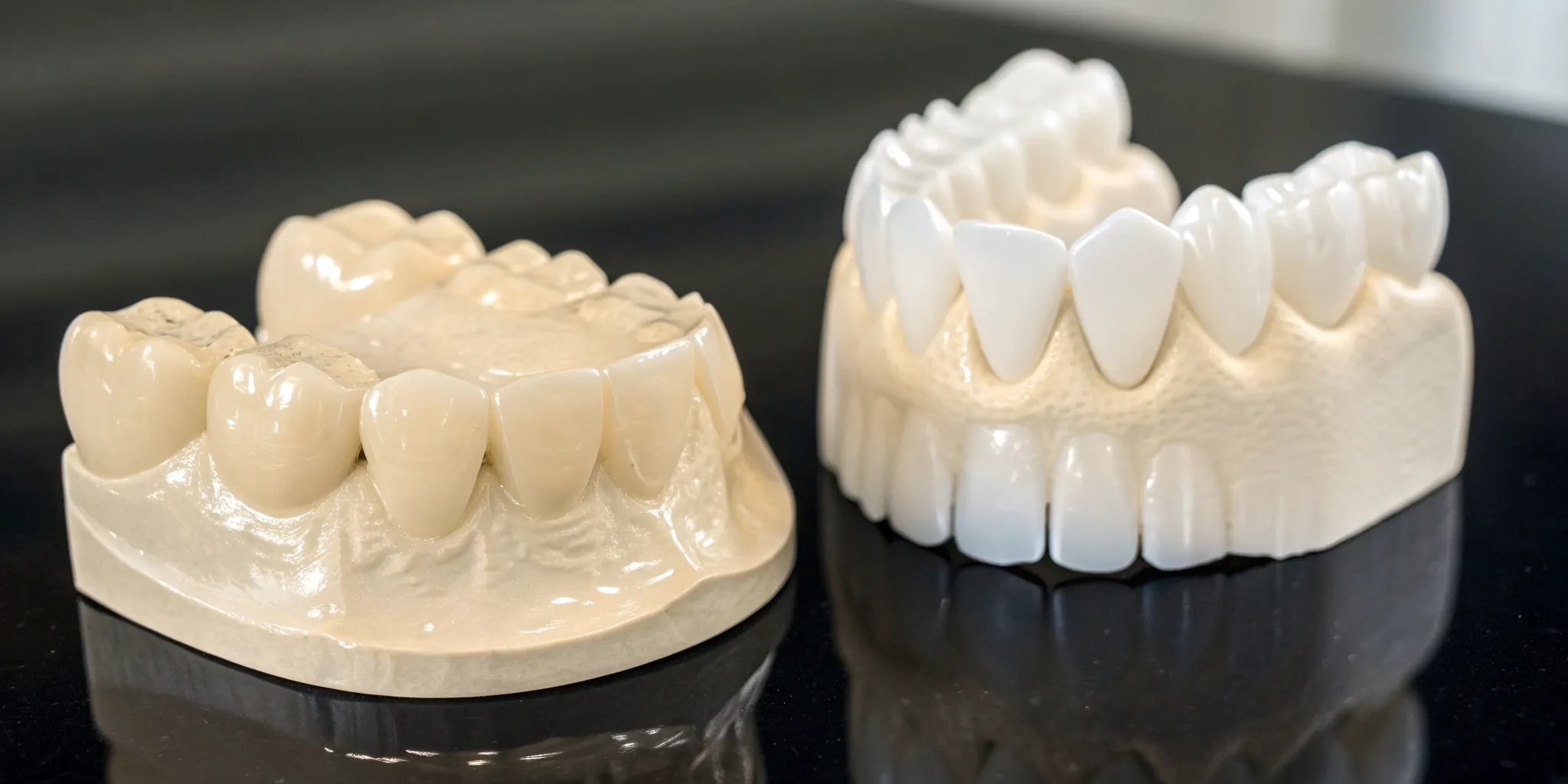




“Can I still drink coffee? Do I need a special kind of toothpaste? What happens if I chip one?” After getting porcelain veneers, it’s normal to have a lot of practical questions about daily life. You love your new smile and want to do everything right to protect it. This guide is here to give you clear, straightforward answers. We’ll walk you through exactly how to care for porcelain veneers to ensure they stay strong, bright, and beautiful. From the foods you should be mindful of to the daily habits that make all the difference, consider this your go-to resource for maintaining your smile with confidence and ease.
Key Takeaways
- Master Your At-Home Routine: Your daily care is simple but crucial. Stick to a soft-bristled toothbrush and non-abrasive toothpaste to protect the porcelain’s finish, and floss every day to keep your gums healthy and prevent them from receding around the veneer.
- Be Mindful of What You Bite: While veneers are durable, they aren’t invincible. Avoid using your teeth as tools and be cautious with hard foods like ice or hard candy. Limiting dark liquids like coffee and red wine will also help prevent staining along the edges of your veneers.
- Don’t Skip Your Dental Check-ups: Your at-home routine is your first line of defense, but professional care is essential for longevity. Regular six-month visits allow your dentist to professionally polish your veneers and check their integrity, ensuring small issues are addressed before they become problems.
What Are Porcelain Veneers?
If you’ve ever admired a flawless, bright smile and wondered what the secret is, there’s a good chance the answer is porcelain veneers. But they aren’t just for celebrities. Veneers are a fantastic option for anyone looking to make a significant and lasting improvement to their smile. Think of them as a way to get the teeth you’ve always wanted, addressing everything from color and shape to minor alignment issues in one comprehensive treatment.
Veneers are one of the most popular and effective treatments in cosmetic dentistry because they deliver dramatic results that look and feel completely natural. They are incredibly thin, custom-crafted shells of porcelain designed to cover the front surface of your teeth, creating a beautiful, uniform appearance. Whether you’re dealing with stubborn stains that whitening can’t touch, minor misalignments, or chips from a long-forgotten accident, veneers offer a versatile and durable solution. They not only enhance your smile’s appearance but can also add a layer of strength to your natural teeth.
A Quick Intro to How They Work
So, what’s the process like? Porcelain veneers are essentially thin, tooth-colored covers that are permanently bonded to the front of your teeth. Each veneer is custom-made in a dental lab to fit your tooth perfectly and match the exact shade you and your dentist decide on. To make room for the veneer and ensure it sits flush with your gum line for a natural look, a tiny amount of enamel is gently removed from the tooth’s surface. This makes the procedure irreversible, so it’s a commitment to your new smile. Once your custom veneers are ready, your dentist will bond them securely in place, instantly transforming your teeth.
How Veneers Perfect Your Smile
The real magic of veneers is their ability to correct a wide range of dental imperfections all at once. They are an ideal solution for teeth that are discolored or stained in a way that whitening treatments can’t fix. Veneers can also close small gaps between teeth, repair chips and cracks, and even correct the appearance of minor crookedness or unevenness without the need for braces. Because each veneer is meticulously crafted to mimic the light-reflecting properties of a natural tooth, the final result is seamless. When designed by an experienced dentist, your new smile will look so authentic that no one will know you have veneers—they’ll just see a brighter, more confident you.
Your Daily Veneer Care Routine
The best part about caring for porcelain veneers? It’s probably not that different from the routine you already know. Your new smile doesn’t require a complicated, time-consuming regimen. Instead, the focus is on consistency and using the right products to protect your investment. Think of it as a simple daily practice to keep your veneers looking as bright and beautiful as the day you got them. Great at-home care is your first line of defense. It not only preserves the polished surface of the porcelain but also maintains the health of your natural teeth and gums underneath—the very foundation of your smile. A solid routine prevents plaque from building up along the gumline and at the edges of the veneers, which is crucial for avoiding decay or gum inflammation. This daily maintenance is what truly makes your smile last. By following a few straightforward steps each day, you can ensure your veneers last for a decade or even longer, keeping that confident feeling going for years. Our approach to cosmetic dentistry is about creating beautiful, lasting results, and that starts with a simple, effective care plan you can easily follow at home. We want you to feel empowered to maintain your smile with ease.
How to Brush Your Veneers Correctly
This step is simple: treat your veneers just like your natural teeth, but with a gentle touch. You’ll want to brush at least twice a day, once in the morning and once before bed. The most important thing to remember is to use a soft-bristled toothbrush. Medium or hard bristles can be too aggressive and may scratch the polished surface of the porcelain over time, causing it to lose its luster. When you brush, use gentle, circular motions and pay special attention to the area where the veneer meets your gum line. This helps sweep away plaque without irritating your gums. A consistent and gentle brushing habit is fundamental to your overall general dentistry health and key to keeping your veneers pristine.
The Right Way to Floss Around Veneers
Flossing is non-negotiable, even with veneers. Plaque and food particles can easily get trapped between your teeth and along the gum line, regardless of whether you have veneers or not. Daily flossing is essential for removing this buildup, preventing cavities in your natural teeth, and keeping your gums healthy. Unhealthy, inflamed gums can recede, which might expose the top edge of your veneer and compromise the look of your smile. To floss correctly, gently slide the floss between your teeth and wrap it into a “C” shape against the side of each tooth. Move it up and down, making sure to dip slightly below the gum line. Be careful not to snap the floss down onto your gums.
Choosing the Best Toothpaste and Mouthwash
The products you use matter just as much as your technique. When it comes to toothpaste, stay away from abrasive formulas. Many whitening toothpastes or those containing harsh ingredients like baking soda can be too gritty. These particles can create tiny scratches on the surface of your veneers, dulling their shine and making them more susceptible to staining over time. Instead, look for a non-abrasive gel toothpaste. For mouthwash, an alcohol-free, fluoride rinse is a great addition to your routine. It helps kill bacteria and strengthen the enamel of your natural teeth without being too harsh. Choosing the right products is a simple way to protect your smile and ensure your veneers stay looking their best.
What to Eat (and What to Avoid) with Veneers
Getting veneers is an investment in your smile, and a few simple adjustments to your diet can help you protect that investment for years to come. You don’t have to give up all your favorite foods, but being mindful of what you eat and drink will keep your veneers looking their best. Think of it less as a list of restrictions and more as a guide to smart choices that ensure your smile stays bright and beautiful. The goal is to enjoy your life—and your food—while keeping your veneers in pristine condition.
Foods and Drinks That Can Stain
While porcelain is impressively stain-resistant, the dental cement used to bond the veneers to your teeth can be susceptible to staining over time, especially around the edges. To keep your smile consistently bright, it’s a good idea to limit dark-colored foods and beverages. This includes things like coffee, tea, red wine, soy sauce, and dark berries. You don’t have to cut them out completely, but enjoying them in moderation is key. When you do indulge, try swishing your mouth with water afterward to rinse away any residue before it has a chance to settle. This simple habit is a huge part of any successful cosmetic dentistry plan.
Watch Out for These Hard Foods
Your veneers are crafted from strong, durable ceramic, but they aren’t indestructible. Just like natural teeth, they can chip or crack under too much pressure. It’s important to avoid biting directly into very hard foods. Be careful with hard candies, nuts, popcorn kernels, and chewing on ice. Instead of biting into a whole apple or a tough piece of bread, try cutting them into smaller, more manageable pieces first. This small change in habit can prevent an accidental chip and an emergency trip to the dentist. Think of it as treating your new smile with the care it deserves.
Smart Food Swaps for a Lasting Smile
Making smart food choices is about more than just avoiding stains and chips; it’s about supporting your overall oral health. Sticky, sugary foods can increase your risk of cavities on the parts of your teeth that aren’t covered by veneers. Try swapping sugary snacks for healthier options like yogurt or cheese. It’s also wise to be mindful of tough, chewy meats or candies that require a lot of force to eat. Protecting your veneers is part of a complete general dentistry routine that keeps your entire mouth healthy, ensuring your smile looks great from the inside out.
How to Protect Your Veneers from Damage
Your new smile is stunning, and you want to keep it that way. While porcelain veneers are incredibly durable, they aren’t invincible. Protecting them from chips, cracks, and other damage often comes down to being mindful of a few daily habits. Think of it as simple insurance for your investment. By making a few small adjustments, you can prevent accidents and keep your veneers looking flawless for years. It’s all about treating your new smile with the care it deserves, ensuring your confidence shines through every day.
Habits to Break for Healthy Veneers
We all have little habits we don’t think much about, but some can be tough on your veneers. One of the biggest culprits is teeth grinding or clenching, also known as bruxism, which puts immense pressure on the porcelain. Chewing on hard items is another no-go. This includes things like ice, hard candies, popcorn kernels, or even non-food items like pens and fingernails. These actions can cause your veneers to chip or crack. Breaking these habits is a key part of your cosmetic dentistry aftercare and will go a long way in preserving the beauty and integrity of your smile.
Use a Mouthguard for Sports and Grinding
If you know you grind your teeth at night or you love playing sports, a mouthguard is your smile’s best friend. It acts as a protective cushion, absorbing impact and shielding your veneers from excessive force that could cause damage. While you can find generic mouthguards at a store, a custom-fit one from your dentist offers the best protection and comfort. It’s a small, simple step that provides powerful protection for both your veneers and your natural teeth. As part of your general dentistry care, we can create a mouthguard that fits you perfectly.
Remember: Your Teeth Aren’t Tools
It can be tempting to use your teeth to rip open a package, tear off a piece of tape, or even open a bottle when you can’t find the right tool. But it’s a habit you’ll want to break immediately to protect your veneers. Your teeth—and your veneers—are designed for chewing food, not for being a substitute pair of scissors or a bottle opener. Using them as tools is one of the quickest ways to cause a chip or a fracture, leading to an unnecessary trip back to the dentist for a repair. Always take a moment to find the proper tool for the job.
Veneer Care Myths vs. Facts
There’s a lot of chatter out there about porcelain veneers, and not all of it is accurate. These misconceptions can make it hard to decide if they’re the right choice for you. Let’s clear the air and separate the myths from the facts, so you can feel confident about your smile journey. Understanding the truth about veneer care and durability is the first step toward a beautiful, long-lasting result.
Myth: Veneers look fake and are high-maintenance.
One of the biggest worries people have is that veneers will look bulky or unnatural. The truth is, modern veneers are masterpieces of dental artistry. Each veneer is custom-designed to match the unique shade, shape, and size of your surrounding teeth, blending in seamlessly. The porcelain material even reflects light just like natural tooth enamel. When designed by an experienced dentist, they look so natural that no one will know you have them. As for maintenance, it’s no different than caring for your original teeth. A simple routine of brushing, flossing, and regular dental check-ups is all it takes to keep them looking great.
Myth: Porcelain is 100% stain-proof.
While it’s true that porcelain is highly resistant to staining, it’s not completely invincible. The material itself is non-porous, which means it repels pigments from coffee, tea, and red wine much better than your natural enamel ever could. This is a huge advantage for keeping your smile bright. However, it’s important to remember that the bonding agent used to secure the veneer to your tooth can be susceptible to staining over time, especially around the edges. Consistent, gentle brushing and regular cleanings are your best defense to keep everything looking pristine and uniform for years to come.
Myth: Veneers are delicate and damage easily.
It’s easy to assume that something so thin and beautiful must be fragile, but that couldn’t be further from the truth. Porcelain veneers are crafted from advanced, highly durable materials. Once they are securely bonded to your natural teeth, they become incredibly strong and resilient, easily withstanding the pressures of daily chewing. Of course, they aren’t indestructible. Just like with your natural teeth, you should avoid habits like biting your nails, chewing on ice, or using your teeth to open packages. With proper care, your veneers are a lasting investment in your smile, making them a key part of modern cosmetic dentistry.
Scheduling Your Dental Check-ups
Your daily routine is your first line of defense, but professional care is what ensures your veneers last for a decade or more. Just like any other dental work, your veneers need regular check-ups to stay in top shape. Think of these appointments as essential maintenance that protects your investment and keeps your smile looking flawless. It’s the best way to catch small issues before they become bigger problems, ensuring you can enjoy your beautiful results for years to come.
At Harlem Center for Aesthetic Dentistry, our team is experienced in all aspects of cosmetic dentistry and is here to help you maintain your veneers. Scheduling these visits is a simple but powerful step in your long-term care plan.
Why Regular Visits Are Key
To keep your porcelain veneers looking their best, we recommend scheduling a professional cleaning and check-up every six months. During these general dentistry appointments, our hygienist will carefully clean your teeth and polish your veneers, while your dentist will perform a thorough exam. This allows us to assess the condition of your veneers, check the health of your underlying teeth and gums, and spot any potential concerns early on. This proactive approach is the secret to maintaining the integrity and beauty of your smile, ensuring your veneers continue to look and feel great.
Signs Your Veneers Need a Professional Look
Between your regular visits, it’s important to pay attention to how your veneers feel. If you notice a chip or crack, it’s crucial to call your dentist right away and try to avoid using that tooth until your appointment. Similarly, if a veneer feels loose, don’t chew on that side of your mouth and schedule an evaluation as soon as possible. These aren’t signs to panic, but they are signals that your veneers need professional attention to prevent further damage. Trying to fix it yourself can often make things worse, so it’s always best to let an expert take a look.
What to Expect at Your Maintenance Appointment
When you come in for a veneer maintenance appointment, you can expect a focused and gentle approach. Your dentist will carefully examine each veneer, checking for any signs of damage or wear and ensuring the bond is still secure. Then, our dental hygienist will give you a professional cleaning, using special tools and techniques that are safe for porcelain. They’ll pay close attention to the area where the veneer meets your gum line to remove any plaque buildup. This visit ensures your veneers and the natural teeth supporting them remain healthy and sparkling.
Making Your Veneers Last for the Long Haul
Getting porcelain veneers is an investment in your smile, and with the right care, that investment can pay off for years to come. The good news is that maintaining them doesn’t require a complicated overhaul of your life. It’s all about building simple, consistent habits that protect both your veneers and the natural teeth underneath them. Think of it as a long-term partnership with your new smile.
Building a Sustainable Daily Routine
Your daily oral hygiene is the foundation of long-lasting veneers. Treat them just like you would your natural teeth, with a little extra gentleness. Brush twice a day using a soft-bristled toothbrush and a non-abrasive toothpaste to avoid scratching the porcelain. When you floss, make sure to clean carefully between each tooth and along the gumline to prevent plaque buildup. Rinsing with a fluoride mouthwash once a day is another great step to keep your entire mouth healthy. This simple routine is the best way to support your overall general dentistry goals and keep your veneers looking fantastic.
Keeping Your Smile Bright Through the Years
While porcelain is highly resistant to stains, the bonding material used to attach your veneers can discolor over time. To keep your smile consistently bright, it’s smart to be mindful of foods and drinks known for staining, like coffee, red wine, tea, and dark berries. You don’t have to give them up completely—just try to rinse your mouth with water after you indulge. It’s also important to avoid tobacco products, as they can cause yellowing around the edges of the veneers. These small adjustments go a long way in maintaining the beautiful results of your cosmetic dentistry.
When Is It Time to Replace Your Veneers?
Even with perfect care, veneers aren’t permanent and will eventually need to be replaced. If you notice a veneer is chipped, cracked, or feels loose, call your dentist right away and try not to chew on that tooth until your appointment. Don’t wait for a problem to arise, though. Regular dental check-ups are crucial because they allow your dentist to spot any potential issues with the bonding or the veneer itself before they become serious. If you ever have a concern, our team of expert doctors is here to help you assess the situation and decide on the best next steps.
Related Articles
- Porcelain Veneers
- Post-Op Care Guidelines
- Create a Beautiful Smile with Cosmetic Dentistry
- General Dentistry
- Cerec
Frequently Asked Questions
How long can I expect my porcelain veneers to last? With a consistent at-home care routine and regular dental check-ups, you can expect your porcelain veneers to last for 10 to 15 years, and sometimes even longer. Their longevity really depends on how well you care for them. By treating them with the same care you give your natural teeth and protecting them from excessive force, you make a long-term investment in your smile’s health and appearance.
Can I still get a cavity on a tooth that has a veneer? Yes, it is possible to get a cavity on a tooth with a veneer. The porcelain shell only covers the front surface of your tooth, leaving the back and sides exposed. This is why a great oral hygiene routine is so important. Diligent brushing and daily flossing are essential to clean the parts of the tooth that the veneer doesn’t cover and to prevent plaque from building up along your gum line.
What should I do if one of my veneers chips or comes off? First, don’t panic. If a veneer chips or comes off completely, carefully collect any pieces you can find and store them in a safe, small container. Call our office as soon as possible to schedule an appointment. Avoid chewing on that tooth to prevent further damage. Depending on the situation, a small chip can sometimes be smoothed down, or a detached veneer might be able to be re-bonded.
Will my veneers feel different from my natural teeth? After a very brief adjustment period, your veneers should feel completely normal and comfortable. Because each veneer is custom-made to fit your tooth precisely, they are designed to feel smooth and natural when you run your tongue over them. Once they are bonded in place, they become a strong, integrated part of your teeth, so you shouldn’t notice them when you’re talking or eating.
Can I whiten my veneers if they start to look dull? Porcelain veneers are made to match a specific shade and are not affected by whitening treatments. The color they are when they’re placed is the color they will stay. This is why it’s so important to avoid abrasive toothpastes that can scratch the surface and cause them to lose their luster. If you’re concerned about the color of your smile, it’s best to discuss it with your dentist before you get your veneers.