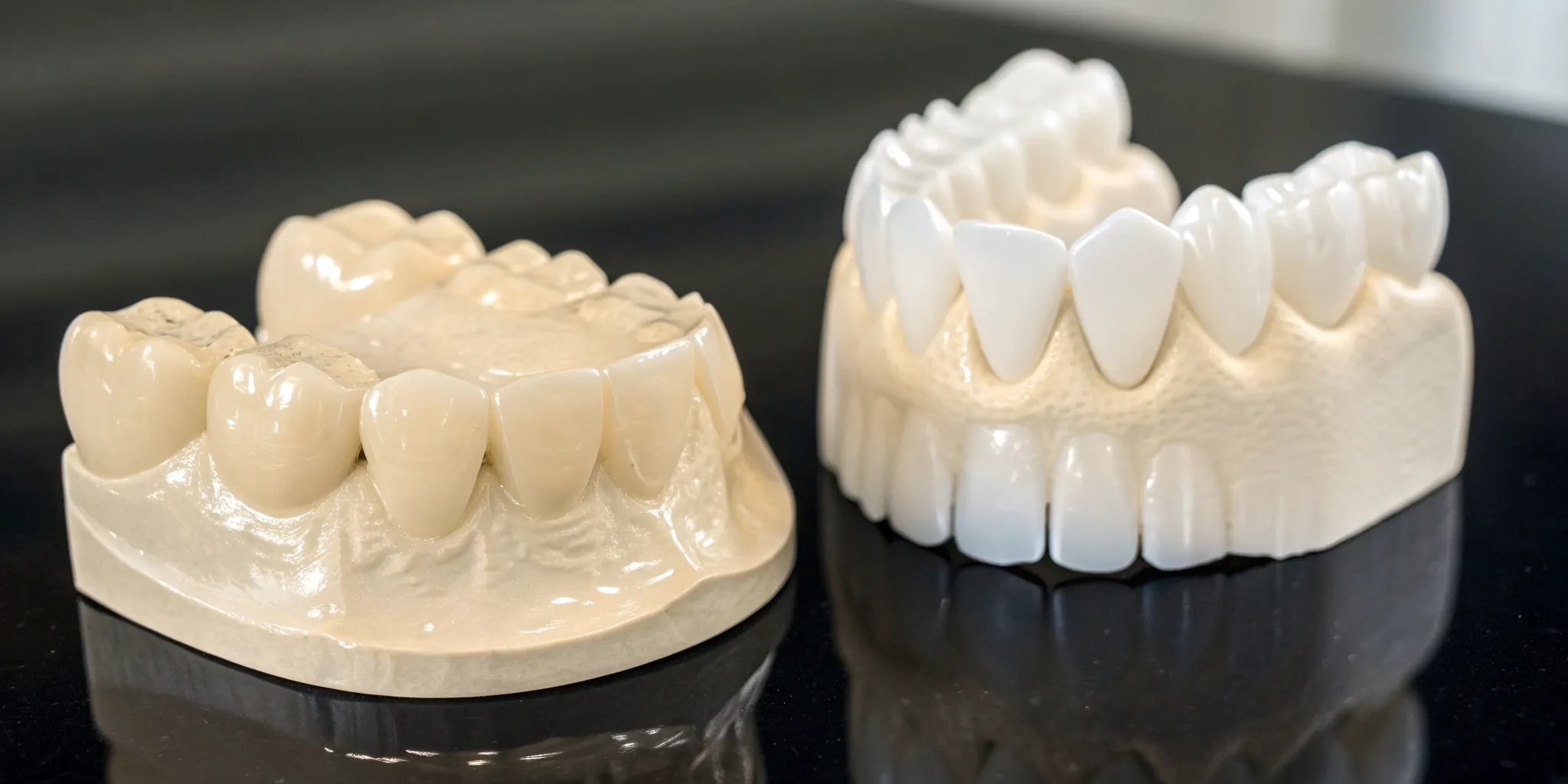




There is no single “best” way to replace a missing tooth, only the way that is best for you. Your overall health, the condition of your jawbone, your budget, and your long-term goals all play a role in finding the perfect fit. The two primary solutions, implant bridges and traditional bridges, each come with their own set of benefits and considerations. One offers a faster, more affordable upfront solution, while the other provides a durable, lifelong investment in your oral health. Understanding the key differences in the implant bridge vs traditional bridge debate is essential to partnering with your dentist to create a personalized treatment plan.
Key Takeaways
- Choose Your Anchor Wisely: Implant bridges are secured by posts in your jawbone, which preserves healthy teeth and bone structure. Traditional bridges are anchored to adjacent teeth, offering a faster, non-surgical alternative.
- Balance Upfront Cost with Lifetime Value: A traditional bridge is less expensive initially but may need replacing every 5-15 years. An implant bridge is a larger upfront investment designed to be a permanent, one-time solution.
- Your Health is the Deciding Factor: The right choice depends on your jawbone density, overall health, and personal goals. A thorough consultation is the best way to get a personalized recommendation for your smile.
Implant Bridges vs. Traditional Bridges: What’s the Real Difference?
When you have a gap from a missing tooth (or a few teeth in a row), a dental bridge is a fantastic way to restore your smile’s function and appearance. But not all bridges are created equal. The two main players are implant-supported bridges and traditional bridges, and they work in very different ways. Think of it as choosing between building a new foundation versus using existing supports. Understanding how each one works is the first step in figuring out which solution is the right fit for your smile, your health, and your lifestyle. Let’s break down the mechanics of each option.
How an Implant Bridge Works
An implant-supported bridge is anchored directly to your jawbone using dental implants. Instead of relying on neighboring teeth, we surgically place small, titanium posts—which act like artificial tooth roots—into the jaw. These posts fuse with the bone over time, creating an incredibly strong and stable foundation. The bridge is then secured to these implants.
A huge benefit here is that we don’t have to touch your healthy, adjacent teeth. Plus, the implants stimulate the jawbone just like natural roots do, which helps prevent bone loss and preserve your facial structure. While the process takes a few months to allow for healing, the result is a durable, long-lasting solution that can last for 15 years or more with proper care.
How a Traditional Bridge Works
A traditional bridge, on the other hand, uses your existing teeth as anchors. It’s made of a false tooth (called a pontic) fused between two crowns. To place the bridge, the healthy teeth on either side of the gap—known as abutment teeth—are reshaped and filed down so the crowns can fit over them. The bridge is then cemented into place, literally “bridging” the gap.
This method is typically faster than getting an implant bridge, often completed in just a couple of dental visits. It’s a reliable and effective restorative treatment that has been used for decades. However, the main consideration is the alteration of healthy teeth, which can sometimes make them more vulnerable down the road. Traditional bridges usually need to be replaced every 5 to 10 years.
Weighing the Pros and Cons of Each Bridge
Making a decision about your dental health is a big deal, and it helps to have all the facts laid out clearly. Both implant bridges and traditional bridges are excellent solutions for replacing missing teeth, but they work differently and come with their own unique sets of advantages and disadvantages. Thinking about factors like longevity, cost, and the impact on your overall oral health will help you and your dentist figure out the best path forward for your smile. Let’s break down what you can expect from each option.
The Upsides and Downsides of Implant Bridges
Implant bridges are known for their incredible durability. Because they are anchored with dental implants, they can last 15 years or more and have a very high success rate. A major benefit is that they stimulate your jawbone, preventing bone loss and helping maintain your facial structure. Plus, they don’t require altering the healthy teeth next to the gap. On the other hand, the process takes longer—sometimes up to six months—and involves a surgical procedure. The upfront investment is higher, and insurance may not cover as much of the cost. You also need to have sufficient healthy jawbone to support the implant, or a bone graft might be necessary first.
The Upsides and Downsides of Traditional Bridges
A traditional bridge is a fantastic option if you’re looking for a faster, non-surgical solution to improve your smile. The entire process can often be completed in just a few weeks, making it a popular choice in cosmetic dentistry. They are also more affordable upfront, and dental insurance is more likely to cover a portion of the cost. The main trade-off is their lifespan; they typically need to be replaced every 5 to 7 years. To place a traditional bridge, the healthy teeth on either side of the gap must be filed down to support it, which can increase their risk of decay over time. Since they don’t stimulate the jawbone, bone loss can still occur underneath the bridge.
Breaking Down the Cost: Implant vs. Traditional Bridges
Let’s talk about one of the biggest factors in any dental decision: the cost. When you’re comparing an implant bridge to a traditional one, it’s easy to focus on the initial price tag. But to make the best choice for your smile and your wallet, it’s helpful to look at both the upfront investment and the long-term value. Each option has a different financial structure, and understanding the details will help you plan with confidence.
What Goes Into Implant Bridge Pricing?
An implant bridge typically has a higher upfront cost, often ranging from $3,000 to $4,500 per tooth. This price reflects the advanced nature of the procedure, which includes a surgical placement and high-quality, durable materials. While that initial number might seem high, it’s important to think about it as a long-term investment in your health. Because dental implants are designed to last for decades—even a lifetime—they often prove to be more cost-effective over the years. You won’t have to worry about the recurring costs of replacement that can come with other options, giving you a permanent solution for a one-time investment.
Factors Affecting Traditional Bridge Costs
A traditional bridge is generally more affordable at the outset. The cost can range from $500 to $1,200 per replacement tooth, plus the price of the crowns needed to anchor it. The final price depends on the materials you choose, like porcelain or zirconia, and the complexity of your case. While the initial savings are appealing, remember that a traditional bridge may need to be replaced every 5 to 15 years. It also requires altering the healthy teeth on either side of the gap, which could lead to future dental work. These are important long-term considerations to factor into your decision when reviewing your general dentistry options.
Understanding Your Insurance and Financing Options
Figuring out dental insurance can feel like a puzzle, but we’re here to help you put the pieces together. Many insurance plans are more likely to cover a portion of the cost for a traditional bridge, as it’s long been a standard restorative treatment. Dental implants, on the other hand, are sometimes considered a cosmetic or elective procedure by insurance providers, which can mean less coverage. The best first step is to review your specific policy. Our team at Harlem Center for Aesthetic Dentistry is always ready to help you understand your benefits and explore financing options to make your ideal treatment plan a reality.
The Road to Recovery: What to Expect After Your Procedure
Understanding the recovery process is a huge part of deciding which dental bridge is right for you. The timeline and what you can expect during healing differ quite a bit between an implant-supported bridge and a traditional one. It’s not just about the procedure itself, but also about the journey afterward. Knowing what’s ahead can help you plan your schedule and manage your expectations, ensuring you feel confident and prepared. Let’s walk through what recovery looks like for each, so you can see which path aligns better with your life and comfort level.
Healing from an Implant Bridge Procedure
Getting an implant bridge is a multi-step process, and patience is key during recovery. Because dental implants are surgically placed into your jawbone, your body needs time to heal properly. This healing phase is crucial for osseointegration, where the bone grows around the implant to create a super-strong foundation. The entire process, from implant placement to adding the final crown, can take several months. While it’s a longer journey, this method ensures your new bridge is incredibly stable. We’ll walk you through every step and provide detailed post-care guidelines to make your recovery as smooth and comfortable as possible.
Recovering from a Traditional Bridge Placement
The recovery for a traditional bridge is much quicker, which is a big plus for many people. The whole process typically involves just two visits over a couple of weeks. During the first visit, we prepare the teeth and take impressions; on the second, we fit your permanent bridge. Most people find their teeth and gums feel back to normal within one to two weeks. It might take a little longer to get completely used to the feel of the new bridge in your mouth. The key to a successful recovery and long-lasting bridge is maintaining your general dentistry routine, as the natural teeth supporting the bridge still need proper care to prevent cavities or gum issues underneath.
Built to Last: Comparing the Lifespan of Dental Bridges
When you’re investing in your smile, you want a solution that doesn’t just look great, but also stands the test of time. Both traditional and implant-supported bridges are excellent ways to fill a gap left by a missing tooth, but they go about it in very different ways. This difference in approach has a major impact on their durability and long-term effect on your oral health. Think of it less as a simple replacement and more as a long-term relationship with your new teeth. How long will they last? What kind of maintenance will they need? And how will they affect the rest of your mouth over the years?
Choosing between them isn’t just about the upfront procedure; it’s about planning for the future of your smile. An implant bridge is designed to become a permanent part of your jaw, offering stability that can last for many years, even a lifetime. A traditional bridge, on the other hand, relies on your existing teeth for support, which can influence its longevity and the health of those anchor teeth. This section will break down what you can realistically expect from each option, from how they hold up over time to the daily care required to keep them at their best. Making an informed decision now means you’ll be happier with your smile for decades to come.
The Durability of Implant Bridges and Why They Protect Your Jawbone
If you’re looking for a long-lasting solution, an implant bridge is the clear frontrunner. With proper care, dental implants can last 15 years or even a lifetime. The secret to their longevity lies in their design. The implant post is surgically placed into your jawbone, where it fuses with the bone in a process called osseointegration. This creates an incredibly strong and stable foundation for the bridge.
This process does more than just secure your new teeth; it also protects your jawbone. When you lose a tooth, the underlying bone no longer receives the stimulation it needs and can begin to shrink. An implant acts like a natural tooth root, stimulating the bone and preventing this loss, which helps maintain your facial structure over time.
The Lifespan of Traditional Bridges and Their Effect on Other Teeth
A traditional bridge typically needs to be replaced every 5 to 7 years, though some can last for 10 years or more with excellent care. Their lifespan often depends on the health of the supporting teeth. To place a traditional bridge, the teeth on either side of the gap—called abutment teeth—must be filed down and fitted with crowns to hold the bridge in place.
Over time, these abutment teeth can become more susceptible to decay or damage because of the added stress of supporting the bridge. While a traditional bridge is a fantastic cosmetic dentistry solution for restoring your smile quickly, it’s important to consider the potential long-term impact on the neighboring healthy teeth when making your decision.
How to Care for Your Bridge for Long-Term Success
No matter which type of bridge you choose, its lifespan depends heavily on your oral hygiene routine. Daily care is essential to prevent plaque buildup and keep your gums healthy. For both implant and traditional bridges, you’ll need to clean underneath the artificial tooth, where food particles can easily get trapped.
This requires a little more than standard brushing and flossing. Using tools like floss threaders, water flossers, or tiny interdental brushes will help you clean these hard-to-reach areas effectively. Consistent daily cleaning and regular dental check-ups are the best ways to protect your investment and ensure your bridge lasts as long as possible. For more detailed instructions, you can review our Post Care Guidelines.
Finding Your Fit: Are You a Candidate for an Implant or Traditional Bridge?
Deciding between an implant and a traditional bridge is about finding what’s clinically right for you. Your dental health, overall wellness, and long-term goals all play a crucial role. It’s a partnership with your dentist to find the perfect fit for your smile. Let’s walk through the key factors we consider to determine which option is best suited for you.
The Role of Bone Density and Gum Health
The success of a dental implant hinges on a strong foundation. Implants require a healthy, dense jawbone to support them, as the titanium post fuses directly with the bone to create a stable anchor. If you don’t have enough bone, a bone graft might be an option. A major benefit is that dental implants help keep your jawbone strong and prevent it from shrinking. Your gum health is just as important. Healthy gums are crucial for preventing infection, so any signs of gum disease will need to be addressed first, often with periodontal treatment.
How Your Lifestyle and Medical History Factor In
Your overall health plays a big part in which type of bridge is right for you. Since placing an implant is a surgical procedure, we need to ensure your body is ready. If you have health issues that make surgery risky, a traditional bridge might be a better option. Conditions like uncontrolled diabetes or certain medications can affect your body’s ability to heal properly. It’s also important to consider lifestyle habits, like smoking, which can lower the success rate of implants. A thorough review of your medical history with your dentist will help identify the safest and most effective path forward.
When a Traditional Bridge Is the Recommended Choice
Sometimes, a traditional bridge is the best solution. They are often recommended for patients who need a quicker fix without surgery. If you’re looking to fill a gap in your smile on a shorter timeline, a bridge can be an excellent choice. A bridge can also be a smart, two-in-one solution. For example, if the neighboring teeth on either side of the gap already have large fillings or need crowns, a bridge uses those teeth for support while restoring them at the same time. It’s an efficient way to achieve your cosmetic dentistry goals.
Common Myths About Dental Bridges, Busted
When you’re exploring options to replace a missing tooth, you’ll likely come across a lot of information—and some of it can be misleading. Dental bridges are a reliable and popular solution, but they’re often surrounded by myths that can cause confusion. Let’s clear the air and separate fact from fiction so you can feel confident about your dental health decisions. From how long they last to what the procedure is really like, here’s the truth about dental bridges.
Setting the Record Straight on Lifespan and Suitability
One of the biggest misconceptions revolves around the word “permanent.” While a dental bridge is permanently fixed in your mouth—meaning you don’t take it out like a denture—it doesn’t last forever. With excellent oral hygiene and regular check-ups, a dental bridge can last anywhere from 5 to 15 years, and sometimes even longer. Think of it as a long-term solution, not an immortal one. Eventually, it will need to be replaced. This durability makes it a fantastic option for many people looking to restore their smile and chewing function as part of a cosmetic dentistry plan.
The Real Timeline for Getting a Dental Bridge
If you’re worried that getting a bridge is a lengthy, complicated ordeal, you can relax. The entire process is surprisingly straightforward and typically only requires two visits to our office over a few weeks. During your first appointment, we’ll prepare the teeth that will support the bridge and take impressions to create a perfect custom fit. You’ll leave with a temporary bridge to protect your teeth. A couple of weeks later, you’ll come back for your second visit, where we’ll remove the temporary one and cement your beautiful, final bridge into place. It’s a much quicker process than many people assume.
What to Actually Expect for Comfort and Care
Another common concern is whether a bridge will feel bulky or look unnatural. Modern dental bridges are custom-crafted to match the color and shape of your surrounding teeth, so they blend in seamlessly. While it might take a few days to get used to, most people find them very comfortable. The key to keeping it that way is proper care. You’ll need to be diligent about cleaning under and around the bridge to prevent plaque buildup, which can lead to gum issues or decay. We provide detailed post-care guidelines to make maintenance simple, ensuring your bridge and the teeth supporting it stay healthy for years to come.
How to Make the Right Choice for Your Smile
Deciding between an implant bridge and a traditional bridge is a big step, and the best choice really comes down to you. There’s no one-size-fits-all answer. Your smile, your health, and your long-term goals are all unique. Think of this as a partnership between you and your dental team. The goal is to find a solution that not only looks great but also feels right and supports your overall oral health for years to come. By considering a few key factors and having an open conversation with your dentist, you can feel confident in the path you choose. Let’s walk through how to approach this decision so you can find the perfect fit for your needs.
Assess Your Personal Dental Needs and Goals
First, take a moment to think about your own situation. How many teeth are you missing? If you have several missing teeth in a row, a traditional bridge might be a practical and effective option. It’s also important to consider your overall health. Because dental implants require a surgical procedure, certain health conditions that slow down healing, like uncontrolled diabetes, might make a traditional bridge a safer choice. The best first step is always a candid conversation with your dentist. They can evaluate your specific case and help you understand which option aligns best with your health profile and smile aspirations.
Compare Upfront Costs with Long-Term Value
It’s no secret that cost is a major factor in any dental decision. Generally, a traditional bridge has a lower upfront cost, which can make it a more accessible option initially. An implant bridge, on the other hand, is a bigger investment at the start. However, it’s important to look at the bigger picture. Implant bridges are designed to last for decades—often a lifetime—and they don’t require altering adjacent healthy teeth. Traditional bridges may need to be replaced every 10 to 15 years. Over time, the cost of replacing a traditional bridge can add up, potentially making the implant bridge a more cost-effective solution in the long run.
Partner with Your Dentist to Make the Final Call
Ultimately, this decision is a collaborative one. Your dentist is your best resource for figuring out your options. During a consultation, they will perform a thorough exam, possibly using advanced imaging to get a clear picture of your jawbone and bite. This allows them to give you personalized advice based on your specific anatomy and oral health. It’s your chance to ask questions and discuss your lifestyle, budget, and what you hope to achieve. By working closely with one of our experienced doctors, you can weigh all the pros and cons and make a final decision that leaves you feeling secure and excited about your restored smile.
Your Bridge Treatment at Harlem Center for Aesthetic Dentistry
Choosing the right dental bridge is a big decision, but you don’t have to make it alone. Here at Harlem Center for Aesthetic Dentistry, we treat every patient like family, guiding you through each step with clear, honest advice. Our goal is to find a solution that not only restores your smile but also fits your life. We combine decades of experience with a personal touch to create a treatment plan that feels right for you.
Your journey to a complete smile starts with a conversation. We take the time to understand your goals, answer your questions, and explore all your options for cosmetic dentistry. From there, we use advanced tools and techniques to design a bridge that looks, feels, and functions just like your natural teeth. Let’s walk through what you can expect when you partner with our team.
Your First Step: A Comprehensive Consultation
Everything begins with a thorough consultation where we sit down and talk. This is your time to share your concerns and goals, and our time to listen. We’ll conduct a detailed examination of your oral health to determine the best path forward for your specific situation. We’ll also discuss practical considerations, like your budget and insurance coverage, as bridges are often covered by dental plans. Your overall health is another important factor; since implants involve a surgical procedure, we’ll make sure it’s a safe and suitable option for you. Our team of doctors is here to give you all the information you need to make a confident choice.
How We Use Advanced Technology for Personalized Planning
Once we’ve decided on a direction together, we use state-of-the-art technology to map out your treatment. If you’re moving forward with an implant bridge, this involves precisely planning the placement of the titanium posts that act as new tooth roots. These dental implants are key because they fuse with your jawbone in a process called osseointegration, which keeps the bone strong and healthy. This advanced approach allows us to create a personalized plan that ensures your new bridge is stable, comfortable, and built to last. We tailor every detail to your unique anatomy for the best possible outcome.
Related Articles
Frequently Asked Questions
Which type of bridge is actually better? Honestly, there isn’t a single “better” option—it’s about what’s better for you. An implant bridge is an incredible long-term investment in your health because it protects your jawbone and doesn’t rely on other teeth for support. A traditional bridge is a faster, non-surgical solution that is also very effective. The right choice depends on your overall health, your budget, and what you’re looking for in a long-term solution.
Will my new bridge look and feel natural? Absolutely. We design every bridge to blend seamlessly with your smile. We carefully match the color, shape, and size of the replacement tooth to your natural teeth, so most people won’t even know it’s there. While it might take a few days to get used to the new feeling in your mouth, it will soon feel like a normal part of your smile.
Is the process of getting a bridge painful? Your comfort is our top priority. For both types of bridges, the area is completely numbed, so you won’t feel pain during the procedure. With a traditional bridge, you might have some temporary sensitivity in the prepared teeth afterward. Since an implant bridge involves surgery, you can expect some soreness and swelling during the initial healing phase, but this is typically managed well with simple pain relievers.
Why do I need to replace a missing tooth in the first place? Leaving a gap can cause more problems than you might think. Your remaining teeth can start to shift and tilt into the empty space, which can throw off your bite and lead to jaw pain. More importantly, the jawbone underneath the gap is no longer stimulated by a tooth root, so it can begin to shrink over time. Replacing the tooth keeps your smile stable and your jaw healthy.
How do I know if I have enough jawbone for an implant bridge? That’s something we determine during your consultation. We’ll take a look at your oral health and likely use imaging, like an X-ray or a CT scan, to measure the density and volume of your jawbone. If you don’t have enough bone, don’t worry—it doesn’t automatically rule out implants. We can discuss options like a bone graft to build up the area and create a strong foundation.