



Losing a tooth affects more than just your smile; it can impact your overall oral health. When a tooth is gone, the jawbone beneath it begins to shrink, which can change your facial structure over time. While many tooth replacement options fill the gap, only those anchored by implants address this underlying issue. An implant supported bridge is an excellent example of a solution that protects your long-term health. By placing dental implants into the jaw, we provide the stimulation needed to keep the bone strong and intact. This not only creates a secure foundation for your new teeth but also helps maintain your natural facial contours and prevents future complications.
Key Takeaways
- It Protects Your Healthy Teeth and Jawbone: An implant-supported bridge is a self-sufficient solution that doesn’t require filing down healthy adjacent teeth. The implants also act like natural tooth roots, stimulating the jawbone to prevent bone loss and maintain your facial shape.
- A Strong Foundation is Built in Stages: The procedure is a phased process designed for maximum strength and stability. It involves placing the implants, allowing several months for them to fuse with your jawbone, and then attaching your final, custom-crafted bridge.
- Long-Term Success Depends on Your Daily Care: Your new bridge can last a lifetime with the right maintenance. A simple daily routine of brushing and cleaning under the bridge, combined with regular professional check-ups, is the best way to protect your investment.
What Is an Implant-Supported Bridge?
If you’re missing several teeth in a row, you might feel like your only options are clunky partial dentures or a traditional bridge that affects your healthy teeth. But there’s another solution that offers a stable, long-lasting, and natural-feeling alternative: the implant-supported bridge.
Think of it as a modern approach to replacing teeth. Instead of relying on the neighboring teeth for support, this type of bridge is anchored directly to your jawbone using dental implants. These small, strong titanium posts act as artificial tooth roots, creating a secure foundation for the bridge that fills the gap. It’s an excellent way to restore your smile and chewing function when you have two, three, or more missing teeth side-by-side. This method not only gives you a beautiful result but also helps preserve the health of your jaw and remaining teeth.
How It Differs From a Traditional Bridge
The biggest difference between an implant-supported bridge and a traditional one comes down to what holds it in place. A traditional bridge requires the healthy teeth on either side of the gap—called abutment teeth—to be filed down so they can be fitted with crowns. These crowns then anchor the bridge. While effective, this means altering perfectly good tooth structure.
An implant-supported bridge, on the other hand, is completely self-sufficient. It uses dental implants surgically placed in your jawbone for support, leaving your healthy adjacent teeth untouched. This is a huge advantage because it preserves your natural tooth enamel and avoids putting extra stress on those teeth.
The Components of Your New Bridge
An implant-supported bridge has a few key parts working together to rebuild your smile. First are the implants themselves—the titanium posts that are placed in your jawbone and function as the new roots. Once they’ve integrated with the bone, small connectors called abutments are attached to the top of the implants.
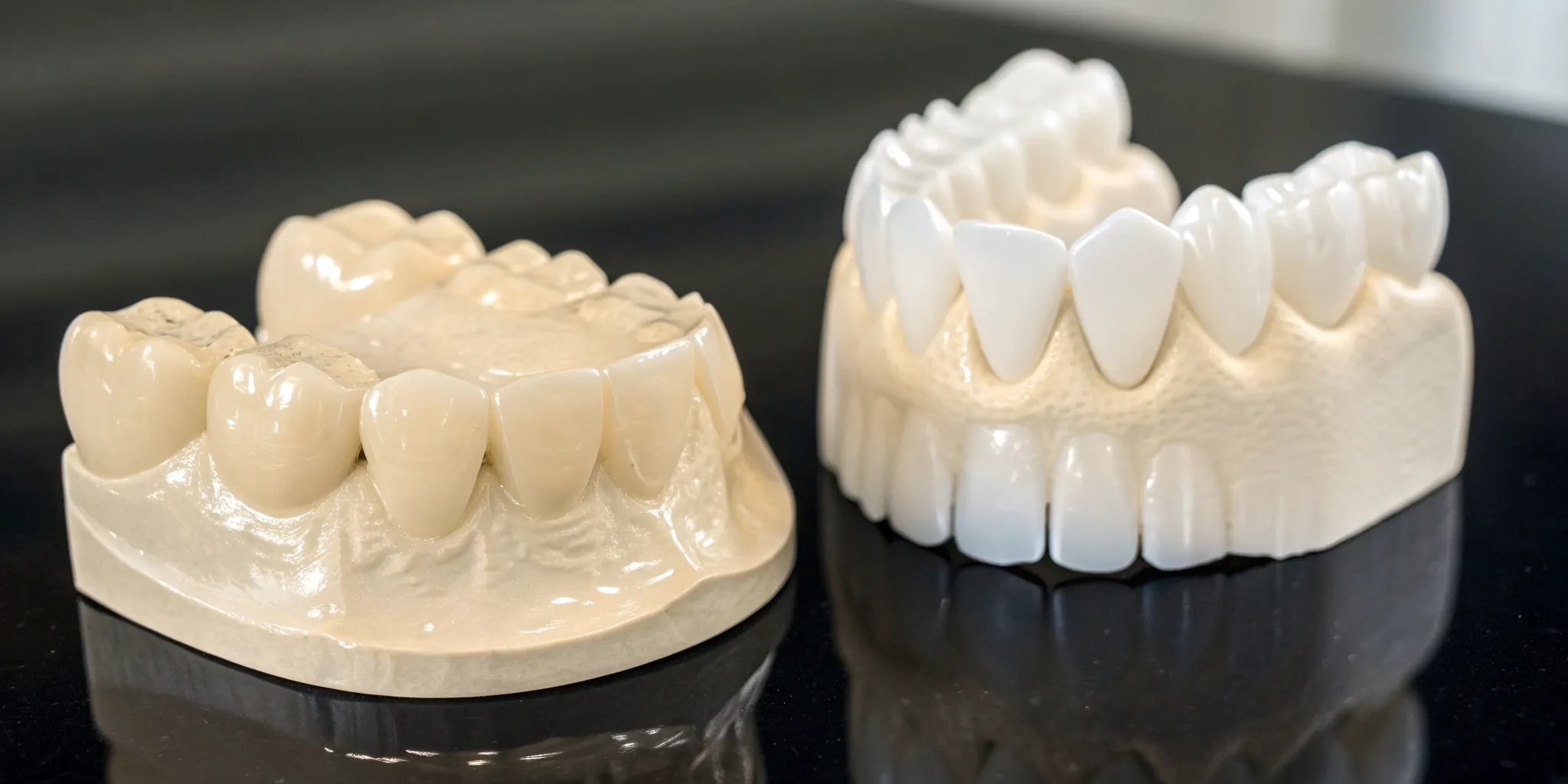
These abutments are what the bridge securely fastens to. The bridge itself is made up of pontics, which are the artificial teeth that fill the empty space. These are crafted from high-quality porcelain to look and feel just like your natural teeth, completing your smile. The result is a seamless restoration that is both strong and aesthetically pleasing.
Are You a Good Candidate for an Implant-Supported Bridge?
An implant-supported bridge is a fantastic, long-term solution for replacing missing teeth, but it’s not the right fit for everyone right away. Your journey starts with a solid foundation of good oral health. Let’s walk through the key factors our team considers to determine if this treatment is the best path for you and your smile. Think of it as a checklist to ensure your new bridge has the strongest possible start for a successful, lasting result.
Key Oral Health Requirements
Before we can place any implants, we need to make sure the rest of your mouth is healthy. This means we’ll look for and address any signs of tooth decay or active gum disease. If you have cavities or periodontal issues, we’ll create a plan to treat them first. Starting with a healthy environment is essential for the success of your implants. Consider it step one in the process—clearing the way for a smooth procedure and healing. Our goal is to ensure your new bridge is built on a foundation of excellent general dentistry and oral hygiene.
Why Bone Density Is Important
The success of an implant-supported bridge hinges on having enough healthy jawbone. Think of your jawbone as the anchor for the entire structure. The titanium dental implants are placed directly into the bone, where they fuse with it over time in a process called osseointegration. This creates an incredibly strong and stable base for your bridge. During your consultation, we’ll evaluate your jawbone density using imaging to make sure it’s substantial enough to hold the implants securely for years to come. A strong foundation is key to a bridge that feels and functions just like your natural teeth.
When Bone Grafting Might Be Needed
If you’ve been told you don’t have enough jawbone for implants, don’t worry—that doesn’t automatically disqualify you. In many cases, a bone graft can solve the problem. This is a common and highly successful procedure where we add bone material to your jaw to build it up. A bone graft creates the solid, dense foundation needed to support your implants securely. It’s an extra step in the process, but it’s one that makes a successful implant-supported bridge possible for many more people, ensuring the long-term stability and health of your new smile.
The Benefits of Choosing an Implant-Supported Bridge
If you’re missing several teeth in a row, you know it can affect everything from your confidence to your ability to enjoy a meal. An implant-supported bridge is a fantastic, modern solution that addresses these challenges head-on. It’s more than just filling a gap; it’s about restoring your smile’s function and appearance in a way that’s built to last. Let’s walk through some of the biggest benefits of choosing this option.
Protect Your Healthy, Adjacent Teeth
One of the main drawbacks of a traditional bridge is that it relies on the neighboring teeth for support. To make it fit, your dentist has to file down those healthy teeth, permanently altering them. An implant-supported bridge works differently. Instead of leaning on other teeth, it’s anchored by dental implants placed directly into your jawbone. This means your healthy, adjacent teeth are left completely untouched. You get to preserve their natural strength and structure, which is a huge win for your long-term oral health and helps you avoid future dental work on otherwise healthy teeth.
Maintain Your Jawbone and Facial Structure
When you lose a tooth, the jawbone in that area no longer gets the stimulation it needs and can start to shrink over time. This process, called bone resorption, can eventually alter your facial structure, leading to a sunken appearance. Dental implants are the only tooth replacement option that actively prevents this. By fusing with your jawbone, they act just like natural tooth roots, providing the stimulation needed to keep the bone strong and healthy. This not only provides a solid foundation for your new bridge but also helps maintain your natural face shape for years to come.
Restore Full Chewing Power
Do you miss biting into a crisp apple or enjoying a steak without a second thought? An implant-supported bridge can bring that freedom back. Because the bridge is securely locked onto implants that are integrated with your jawbone, it offers incredible stability and strength. You can expect to regain nearly all of your original chewing power. Unlike removable options that can sometimes slip or feel unstable, an implant-supported bridge feels and functions just like your natural teeth. This allows you to eat all the foods you love with complete confidence and comfort, without worrying about your smile.
Enjoy a Natural Look and Comfortable Fit
Your smile is unique, and your dental work should be, too. An implant-supported bridge is designed to blend in seamlessly with your existing teeth. Each bridge is custom-crafted from high-quality materials like porcelain to match the exact shade and shape of your natural smile. The result is a restoration that looks so real, no one will know it’s not your original set of teeth. And because it’s fixed in place, it feels completely natural and comfortable—no rubbing or shifting. It’s a key part of modern cosmetic dentistry that restores both function and beauty to your smile.
The Implant-Supported Bridge Procedure: A Step-by-Step Guide
Getting an implant-supported bridge is a multi-stage process designed to give you a strong, stable, and long-lasting solution for missing teeth. While it requires a bit of patience, understanding the journey from start to finish can make it feel much more manageable. Each step is carefully planned to ensure the best possible outcome for your smile and oral health. Here’s a look at what you can expect.
Your Initial Consultation and Treatment Plan
Everything starts with a conversation. The first step is to sit down with one of our dentists for a thorough consultation. During this visit, we’ll examine your teeth and gums, take X-rays, and discuss your health history to see if an implant-supported bridge is the right choice for you. This is your time to ask questions and share your goals for your smile.
Based on this initial assessment, we’ll create a personalized treatment plan that maps out the entire process. Our team of experienced doctors will walk you through every detail, from the number of implants needed to the timeline and costs, ensuring you feel confident and informed before moving forward.
Placing the Dental Implants
Once your treatment plan is set, the next step is a minor surgical procedure to place the dental implants. These are small, screw-like posts, typically made of titanium, that are inserted directly into your jawbone where your missing teeth used to be. They are designed to function just like natural tooth roots, creating a secure foundation for your new bridge.
We prioritize your comfort throughout the procedure, using local anesthesia to numb the area completely. The process is precise and carefully executed to ensure the dental implants are positioned for optimal support and long-term success. This foundational step is what makes an implant-supported bridge so much stronger than other tooth replacement options.
The Healing and Integration Phase
After the implants are placed, your body needs time to heal. This is perhaps the most important phase of the entire process, called osseointegration. Over the next three to six months, the titanium implants will naturally fuse with your jawbone, creating an incredibly strong and stable anchor. This biological bond is what gives the final restoration its durability.
During this healing period, we may place a temporary bridge so you can eat and smile comfortably. It’s crucial to follow all our post-care guidelines to ensure the healing process goes smoothly. We’ll monitor your progress closely to make sure the implants are integrating perfectly before we proceed to the final step.
Attaching and Adjusting Your Final Bridge
Once your implants have fully fused with your jawbone, you’re ready for the final step. We’ll have you come back in so we can take detailed impressions of your mouth. These molds are sent to a dental lab where your custom bridge is crafted to match the color, shape, and size of your natural teeth.
When your permanent bridge is ready, we’ll attach it securely to the implants. Our focus on cosmetic dentistry means we take great care to ensure it not only fits perfectly but also looks completely natural. We’ll make any necessary adjustments to your bite, making sure your new bridge feels comfortable and allows you to chew and speak with confidence.
Comparing Your Tooth Replacement Options
When you’re missing several teeth in a row, you have a few different paths you can take to restore your smile. An implant-supported bridge is a fantastic, modern solution, but it’s helpful to see how it stacks up against other common treatments. Understanding the key differences in how they work, feel, and impact your long-term oral health will help you feel confident in your decision. Each option has its own set of benefits, and the right choice for you depends on your specific needs, budget, and health goals. Let’s look at how implant-supported bridges compare to traditional bridges and partial dentures.
Implant-Supported Bridges vs. Traditional Bridges
The main difference between these two options comes down to their foundation. A traditional bridge is held in place by the natural teeth on either side of the gap. To make this work, your dentist has to file down those healthy neighboring teeth and fit them with crowns to anchor the bridge. An implant-supported bridge, on the other hand, is supported by dental implants placed directly into your jawbone. This means your healthy, adjacent teeth are left completely untouched. By using implants as anchors, you get a strong, stable restoration without having to alter the structure of your other teeth, which is a major win for your long-term oral health.
Implant-Supported Bridges vs. Partial Dentures
While a partial denture can also fill a gap from missing teeth, it’s a removable appliance that often uses clips or clasps to attach to your remaining teeth. In contrast, an implant-supported bridge is a fixed, permanent solution that you don’t take out. Because it’s anchored by implants, it feels and functions much more like your natural teeth. A huge benefit here is jawbone health. When you lose a tooth, the bone in that area can start to shrink. The implants in an implant-supported bridge stimulate the jawbone, just like natural tooth roots, which helps maintain your facial structure and prevent bone loss over time.
Understanding the Cost and Your Insurance Coverage
It’s true that an implant-supported bridge typically requires a larger initial investment than a traditional bridge or a partial denture. However, it’s also a more affordable approach than placing an individual implant for every single missing tooth. When thinking about cost, it’s important to consider the long-term value. Because they preserve your jawbone and don’t rely on altering healthy teeth, implant-supported bridges are an incredibly durable and lasting solution. We can help you figure out your insurance coverage and discuss financing options to make your ideal cosmetic dentistry plan work for you. Your dentist will walk you through all the details to help you make the best choice for your health and budget.
What to Expect: Your Recovery and Aftercare Plan
Knowing what comes next can make your recovery process feel much more manageable. After your implant surgery, your body needs time to heal and adapt. Following a solid aftercare plan is the best way to ensure your new bridge settles in perfectly and lasts for years. We’ll walk you through what to expect, from managing initial discomfort to establishing a long-term care routine. Our team is here to support you at every stage, and we provide detailed post-care guidelines to help you feel confident as you heal.
Tips for Managing Discomfort After Surgery
It’s completely normal to experience some discomfort and swelling right after your surgery—this is just a sign that your body is beginning the healing process. We’ll provide you with a personalized plan to keep you comfortable, which usually includes prescribed medication to manage any pain. Applying a cold compress to the outside of your cheek in 20-minute intervals can also work wonders for reducing swelling in the first day or two. Remember to get plenty of rest and stick to soft foods for a little while. Following these simple steps will help you feel better faster and set you up for a smooth recovery.
A Timeline for Your Complete Recovery
Patience is key when it comes to dental implants. The most important part of the healing process is called osseointegration, which is when the implant posts fuse directly with your jawbone. This creates the strong, stable foundation your bridge needs. This fusion process can take anywhere from six to nine months to complete. After the initial healing period of about four to six months, we’ll attach a small connector piece called an abutment to each implant. This prepares the area for your final, custom-made bridge. While it sounds like a long time, this gradual process is what makes your new smile so durable and secure.
How to Care for Your Mouth While Healing
Taking care of your mouth after surgery is crucial for the success of your dental implants. For the most part, you’ll care for your implant-supported bridge just like you would your natural teeth, with gentle brushing and regular cleaning. However, you’ll need to pay special attention to the area between your gums and the bridge. We’ll show you how to use special tools, like a water flosser, threader floss, or a small interdental brush, to keep this area clean and free of plaque. Maintaining excellent oral hygiene prevents infection and ensures your gums stay healthy, which is vital for the long-term stability of your beautiful new bridge.
How to Maintain Your Implant-Supported Bridge for Years to Come
You’ve made a wonderful investment in your smile and oral health, and now it’s time to protect it. Taking care of your new implant-supported bridge is straightforward and will quickly become a natural part of your daily routine. With consistent care at home and regular visits to our office, you can keep your bridge looking and feeling great for many years. Think of it as a partnership—your daily habits combined with our professional support will ensure your smile stays healthy and strong.
The Lifespan of a Well-Maintained Bridge
One of the best things about an implant-supported bridge is its durability. With proper care, it can last a lifetime. The key to this longevity really comes down to your maintenance and hygiene practices. Consistent, thoughtful attention to your oral health is what makes all the difference in extending the life of your bridge. By committing to a solid routine, you’re not just cleaning your teeth—you’re actively protecting your investment and ensuring your smile remains vibrant and functional for decades to come.
Your Simple Daily Care Routine
The great news is that maintaining your implant-supported bridge is a lot like caring for your natural teeth. You’ll want to brush at least twice a day, just as you normally would. It’s also important to clean the areas between your gums and the bridge to prevent plaque buildup. You can use special tools like an interdental brush, floss threaders, or a water flosser to gently clean these spaces. This simple daily routine is the most effective way to keep your gums healthy and your bridge secure. For more specific instructions, you can always review our post-care guidelines.
Why Regular Dental Visits Are Crucial
Your at-home routine is the foundation of good oral health, but regular dental check-ups are essential for the long-term success of your implant-supported bridge. During these visits, we can professionally clean areas that are more challenging to manage at home, effectively removing any stubborn plaque and tartar that may have accumulated. These appointments also give us a chance to inspect your bridge and implants to make sure everything is in optimal condition. Scheduling regular general dentistry check-ups is a critical step in keeping your smile healthy and beautiful.
Related Articles
- Post-Op Care GUIDELINES
- General Dentistry
- All-On-4, All-On-6, All-On-X
- Dental Implants In Harlem
- Dental Crowns
Frequently Asked Questions
How many implants are needed to support a bridge? This is a great question, and the answer is usually fewer than you might think. We don’t need to place one implant for every single missing tooth. Typically, two implants can securely anchor a bridge that replaces three or four teeth in a row. During your consultation, we’ll determine the ideal number of implants to create a strong, stable foundation for your specific smile.
Is the procedure to place the implants painful? We take every step to ensure you are comfortable during the entire process. The implant placement itself is done under local anesthesia, so you won’t feel any pain during the surgery. Afterward, it’s normal to have some soreness and swelling, much like with other dental procedures. We’ll send you home with a clear plan for managing any discomfort, which is usually handled well with over-the-counter pain relievers.
How long does the entire process take from start to finish? Getting an implant-supported bridge is a multi-step journey, and patience is part of the process. From your initial consultation to the day your final bridge is attached, the timeline can range from about five to nine months. The longest phase is the healing period after the implants are placed, as it takes several months for them to fuse securely with your jawbone.
Can an implant-supported bridge get cavities or become stained? The high-quality porcelain used to make your bridge is non-porous and cannot decay, so you’ll never have to worry about getting a cavity in your restoration. However, just like natural tooth enamel, the material can pick up stains over time from things like coffee, tea, or red wine. A consistent daily cleaning routine and regular professional cleanings will help keep your bridge looking bright and natural.
What if I’ve been told I don’t have enough jawbone for implants? This is a common concern, but it doesn’t automatically mean an implant-supported bridge is off the table. If your jawbone isn’t dense enough, a bone grafting procedure can often solve the problem. This is a routine treatment where we add bone material to build up the area, creating the strong and healthy foundation needed for the implants to be successful.