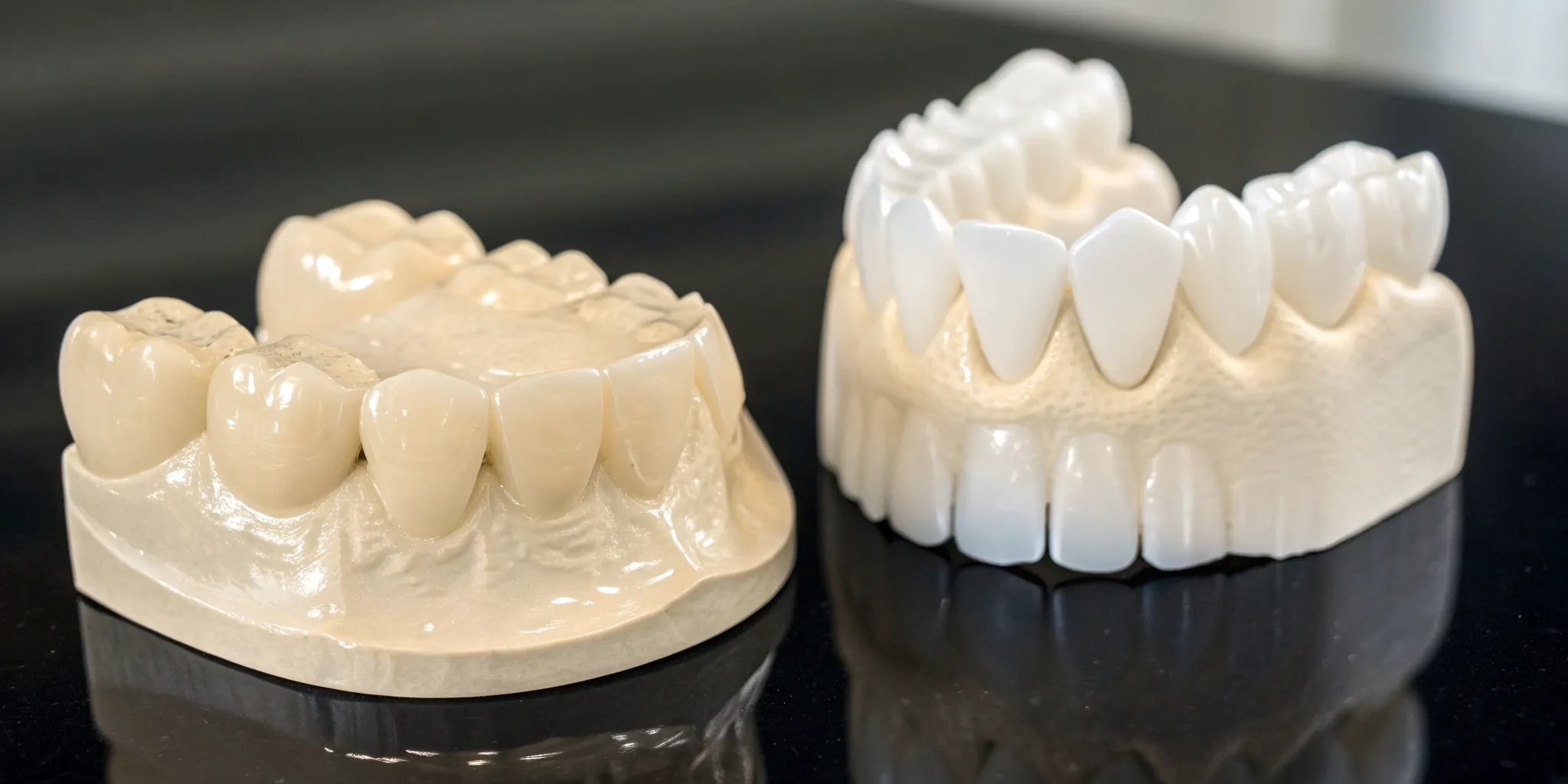




Think of improving your smile like renovating a house. You could paint the walls and update the fixtures for a quick, beautiful change—that’s similar to some cosmetic dentistry procedures. Or, you could fix a crooked foundation to ensure the whole house is stable for decades to come. That’s what braces do. They address the underlying structure of your smile. This distinction is important when considering if braces is like cosmetic surgery. While both can lead to a stunning result, one is a surface-level enhancement, and the other is a foundational health treatment that corrects the root cause of alignment issues, ensuring your smile is as healthy as it is beautiful.
Key Takeaways
- Think Health, Not Just Aesthetics: Braces are a medical treatment designed to correct the fundamental alignment of your teeth and jaw. The beautiful smile you get is a fantastic result of creating a healthier, more functional bite.
- Address the Root Cause, Not Just the Symptom: While cosmetic dentistry can cover up imperfections, orthodontics solves the actual problem by realigning your teeth and jaw. This creates a stable, lasting solution rather than a temporary, surface-level fix.
- A Straighter Smile is Easier to Maintain: By eliminating crowded spaces, braces make brushing and flossing more effective, directly reducing your risk for decay and gum disease. A corrected bite also protects your teeth from future damage and strain.
How Do Braces Actually Work?
Ever wondered about the mechanics behind braces? It’s a fascinating biological process guided by some clever hardware. Braces work by applying continuous, gentle pressure to your teeth over an extended period. This pressure slowly encourages your teeth to move into a specific, healthier position. Think of it as a slow and steady marathon, not a sprint.
Your body is an amazing partner in this process. As the braces apply pressure on one side of a tooth, the bone on that side dissolves. On the other side, new bone forms to support the tooth in its new spot. This natural remodeling is what makes the results of orthodontic treatment so stable and long-lasting. It’s a brilliant collaboration between your orthodontist’s plan and your body’s ability to adapt, ensuring your new smile is built on a solid foundation.
The Anatomy of Braces
To understand how that gentle pressure is applied, let’s break down the parts of traditional braces. You’ll typically see small squares bonded to each tooth—those are called brackets. They act like handles, giving the archwire something to hold onto. The archwire is the thin metal wire that runs through the brackets, connecting them all. This wire is the real workhorse; it’s what actually creates the pressure that guides your teeth. To hold the archwire in place, we use tiny rubber bands called ligature elastics, which come in a rainbow of colors. Sometimes, metal rings called molar bands are placed on back teeth for extra anchorage, ensuring everything moves according to plan.
Your Orthodontic Treatment Journey
Your journey with braces is a key part of orthodontics, a special field of dentistry focused on correcting misaligned teeth and jaws. While a straighter smile is a fantastic outcome, the goal goes much deeper than just appearances. Orthodontic treatment is about improving the overall function of your bite. When your teeth and jaw are properly aligned, you can chew more effectively, speak more clearly, and even find it easier to keep your teeth clean. This focus on function is what sets it apart from procedures that only change the look of your teeth. Throughout your treatment, you’ll have regular appointments to adjust the archwires, fine-tuning the pressure to keep your teeth moving in the right direction toward a healthier, more confident smile.
Braces vs. Cosmetic Dentistry: What’s the Difference?
It’s easy to see a perfect smile and assume it’s the result of either braces or cosmetic work, using the terms interchangeably. While both paths can lead to a beautiful smile, they work in fundamentally different ways. Think of it like this: orthodontics is the structural engineering that builds a strong, functional foundation for your smile, while cosmetic dentistry is the interior design that perfects its appearance. One addresses the underlying mechanics of your teeth and jaw, while the other focuses on the aesthetics. Understanding this distinction is the first step in figuring out the right approach for you.
Defining Cosmetic Dentistry
Cosmetic dentistry is all about enhancing the visual appeal of your smile. Its primary goal is to improve the look of your teeth and gums, focusing on color, shape, size, and overall brightness. Common procedures include teeth whitening to remove stains, veneers to cover imperfections like chips or gaps, and bonding to repair minor flaws. These treatments are fantastic for addressing surface-level issues and can deliver dramatic results quickly. If your teeth are generally healthy and well-aligned but you want to polish their appearance, cosmetic dentistry offers a direct route to a more radiant smile.
Comparing Treatment Goals and Methods
While cosmetic treatments perfect the surface, orthodontics rebuilds the foundation. The main goal of orthodontics, which includes braces and Invisalign, is to correct the alignment of your teeth and jaw. This isn’t just about looks; it’s about function. Orthodontic treatment fixes issues like crooked teeth, crowded teeth, and improper bites that can affect how you chew, speak, and even breathe. By moving teeth into their correct positions, braces solve the root cause of the problem. The beautiful, straight smile you get at the end is a fantastic—and permanent—result of creating a healthier, more functional mouth.
Are Braces Cosmetic or a Medical Necessity?
It’s a question that comes up all the time: are braces just about getting a picture-perfect smile, or is there more to it? The truth is, while a beautiful smile is a fantastic result of orthodontic treatment, it’s often just one piece of a much bigger puzzle. Braces sit at a unique intersection of health and aesthetics, addressing issues that go far deeper than just the appearance of your teeth. They are a powerful tool for building a smile that doesn’t just look great, but is also healthy, functional, and built to last a lifetime.
The Dual Role of Braces: Health and Aesthetics
Think of braces as having two main jobs. The first is the one everyone knows: the cosmetic benefit. Straightening crooked teeth can dramatically change your appearance and give your confidence a major lift. But their second, and arguably more important, job is functional. Orthodontics is a field of dentistry focused on correcting the alignment of your teeth and jaw. This means that while braces are making your smile more beautiful, they are also working behind the scenes to improve your overall oral health by creating a proper, stable bite.
Why Braces Are Often Medically Necessary
Many people need braces for reasons that are entirely medical. Issues like an overbite, underbite, crossbite, or severe crowding aren’t just cosmetic quirks; they can cause real health problems. A misaligned bite can lead to difficulty chewing food properly, speech impediments, and uneven wear on your teeth over time. It can also contribute to jaw pain and TMJ disorders. By correcting these structural problems, braces do more than straighten teeth—they create a healthier, more functional mouth that can prevent more serious dental issues down the road.
Debunking the “Just for Looks” Myth
One of the biggest myths about braces is that they are purely for looks. While they certainly improve your smile’s appearance, their primary purpose is often to address underlying dental problems that affect your health. Unlike some cosmetic dentistry procedures that focus solely on aesthetics, orthodontic treatment corrects the root cause of crooked teeth and bite issues. A straight smile is the wonderful result of building a healthier foundation for your teeth and jaw, making the treatment a crucial healthcare decision, not just a cosmetic one.
How Insurance Views Orthodontic Treatment
The distinction between cosmetic and medical necessity is especially important when it comes to insurance. Most dental insurance plans differentiate between procedures that are purely for appearance and those that improve oral health and function. Because braces correct medical issues like malocclusion (a bad bite), many insurance plans offer partial or full coverage for orthodontic treatment, especially for children and teens. This is a key indicator that the dental community and insurance providers recognize braces as a necessary medical treatment, not just an elective cosmetic procedure.
The Health Benefits of Braces (Beyond a Perfect Smile)
When most of us think about braces, the first thing that comes to mind is a perfectly straight, camera-ready smile. And while that’s certainly a major perk, the real value of orthodontic treatment runs much deeper. Braces are a powerful tool for improving your overall oral health, addressing underlying issues that can cause problems for years to come. Think of them less as a cosmetic touch-up and more as a foundational investment in your long-term health.
A misaligned bite or crooked teeth can contribute to everything from jaw pain and headaches to an increased risk of cavities and gum disease. By moving your teeth into their proper positions, braces do more than just improve your appearance—they create a healthier, more functional environment inside your mouth. This proactive approach helps you avoid more complex dental issues down the road, saving you time, discomfort, and money. Let’s look at the specific health benefits that make braces a truly worthwhile journey.
Easier Cleaning and Better Oral Hygiene
When your teeth are crowded or crooked, they create tight, overlapping spaces that are incredibly difficult to clean with a toothbrush and floss. These hard-to-reach spots become perfect hiding places for plaque and bacteria, which can lead to tooth decay and gum inflammation. By straightening your teeth, braces eliminate these hiding spots. The result? Brushing and flossing become much more effective, making it easier to maintain excellent oral hygiene and keep your smile healthy. This simple change can significantly lower your risk for cavities and periodontal issues for years to come.
A Healthier Bite and Jaw Function
Your bite is the way your upper and lower teeth fit together. When it’s misaligned—think overbites, underbites, or crossbites—it can cause a cascade of problems. An improper bite can lead to uneven and premature wear on your teeth, chipping, and even jaw pain or TMJ disorders. Braces work to correct these bite issues, ensuring your teeth meet correctly. According to the American Association of Orthodontists, a properly aligned bite distributes chewing forces evenly, protecting your teeth from excessive wear and reducing strain on your jaw joints. This creates a more comfortable and functional smile.
Improved Chewing and Speech
The alignment of your teeth plays a direct role in how well you chew and speak. If your teeth don’t meet properly, it can be difficult to bite into and break down food effectively, which can sometimes impact digestion. Similarly, certain speech patterns, like a lisp, can be caused or made worse by the position of your teeth and jaw. By correcting the alignment, braces can help you chew more efficiently and speak with greater clarity. It’s a functional improvement that enhances your daily life in subtle but significant ways.
Preventing Future Dental Problems
Think of orthodontic treatment as a preventative health measure. By addressing alignment issues now, you’re actively working to prevent a host of future dental problems. Crooked teeth are harder to keep clean, which increases your risk for cavities and gum disease. A bad bite can lead to worn-down or broken teeth that require crowns or other restorative work. By investing in braces, you’re not just straightening your teeth; you’re setting your smile up for a healthier future and reducing the likelihood that you’ll need more extensive and costly dental treatments later on.
Protecting Your Smile for Life
Ultimately, the goal of braces is to create a stable, healthy, and functional smile that lasts a lifetime. The benefits you gain from orthodontic treatment—from easier cleaning to a balanced bite—all work together to protect your natural teeth. A straight smile isn’t just beautiful; it’s also more resilient. By correcting the underlying structural issues, you’re making a long-term investment in your oral health. This ensures your smile not only looks great but also functions properly for decades, giving you confidence and peace of mind.
Choosing the Right Path for Your Smile
Deciding to change your smile is a big step, and it’s important to know your options. While some procedures offer quick, surface-level changes, orthodontic treatment is a journey focused on building a healthy, functional, and beautiful smile from the ground up. It’s less about an instant transformation and more about creating a lasting foundation for your oral health. Understanding the differences in commitment, cost, and outcomes will help you choose the path that’s truly right for you. Let’s walk through what to consider as you weigh your options.
Comparing Timelines and Commitment
Unlike a one-time cosmetic procedure, getting braces is a commitment to a process. The treatment timeline can range from several months to a few years, depending on your specific needs. This journey involves regular check-ins for adjustments and a daily dedication to oral hygiene. But this commitment pays off in ways that go far beyond looks. Braces improve more than just your smile’s appearance; they help you chew better, make it easier to keep your teeth clean, and can reduce strain on your jaw. Think of it as a partnership with your orthodontics team to build a smile that’s not only beautiful but also strong and healthy for years to come.
Cost vs. Long-Term Value
Cost is one of the most common concerns for patients considering orthodontics, and it’s easy to fall for the misconception that it’s unaffordable. While there is an investment involved, it’s crucial to look at it in terms of long-term value. Correcting alignment issues now can help you avoid more complex and expensive dental problems later, such as premature tooth wear, gum disease, or even jaw surgery. Many dental practices offer flexible payment plans to make the cost more manageable. When you invest in braces, you’re not just paying for a straighter smile—you’re investing in a lifetime of better oral health and preventing future expenses.
Fixing the Root Cause vs. a Surface-Level Fix
This is where braces and cosmetic dentistry really part ways. Cosmetic dentistry treatments like veneers or bonding are excellent for addressing surface-level issues like chips, gaps, or discoloration. However, they don’t change the underlying structure of your teeth and jaw. Orthodontics, on the other hand, is all about correcting the root cause of the problem. By managing and realigning your teeth and jaw, this type of dentistry corrects fundamental issues with your bite. It’s the difference between painting over a crack in the wall and fixing the foundation of the house. Braces provide a structural solution that improves both function and appearance.
Setting Realistic Goals for Your Smile
If you feel self-conscious about your teeth, getting braces is a wonderful way to feel better about your smile and yourself. The goal of treatment is to achieve your best, healthiest smile—one that is both functional and uniquely yours. During your consultation, your orthodontist will work with you to set realistic expectations. They’ll explain what braces can achieve for your specific alignment and bite issues. This isn’t about creating a one-size-fits-all “perfect” smile, but rather a balanced, healthy one that fits your face and will serve you well for a lifetime. Our team of doctors is here to guide you through that process.
Why Braces Provide a Lasting Solution
The results you get from braces are designed to last a lifetime, provided you follow through with wearing your retainer. By correcting issues like an overbite, underbite, or crossbite, you’re not just straightening teeth. You’re creating a stable, functional bite that helps you chew food better, speak more clearly, and prevents your teeth from wearing down unevenly. This comprehensive approach protects your natural teeth from future damage and reduces the risk of jaw problems. Whether you choose traditional braces or Invisalign, you’re choosing a permanent solution that supports your overall health.
Related Articles
Frequently Asked Questions
How do I know if I need braces or a cosmetic treatment like veneers? The best way to decide is to think about your main goal. If your teeth are crooked or your bite feels off, orthodontics is likely the right path because it fixes the underlying structural problem. If your teeth are already straight but you want to change their shape, color, or cover minor chips, then a cosmetic treatment might be a better fit. We can help you figure out the best approach during a consultation.
Is getting braces a painful process? You can expect some discomfort, but it’s usually more of a dull ache or pressure than sharp pain. You’ll feel it most right after your braces are put on and for a day or two following your adjustment appointments. This soreness is a sign that your teeth are moving, and it’s easily managed with over-the-counter pain relievers.
Am I too old to get braces? Not at all. There is no age limit for orthodontic treatment. As long as your teeth and gums are healthy, you can get braces at any stage of life. Many adults choose orthodontics to finally get the smile they’ve always wanted or to correct alignment issues that have developed over time. The process of moving teeth works the same way for adults as it does for teens.
How long will I have to wear braces? The timeline for braces is different for everyone, as it depends entirely on your specific needs and treatment plan. On average, most people wear them for about 18 to 24 months. During your initial consultation, your orthodontist will give you a personalized estimate so you know what to expect from the start.
Will my teeth stay straight forever after my braces are removed? Your teeth have a natural tendency to shift back toward their original positions over time. To prevent this and protect your investment, you’ll need to wear a retainer after your braces come off. Following your orthodontist’s instructions for retainer wear is the key to making sure your beautiful, straight smile lasts a lifetime.