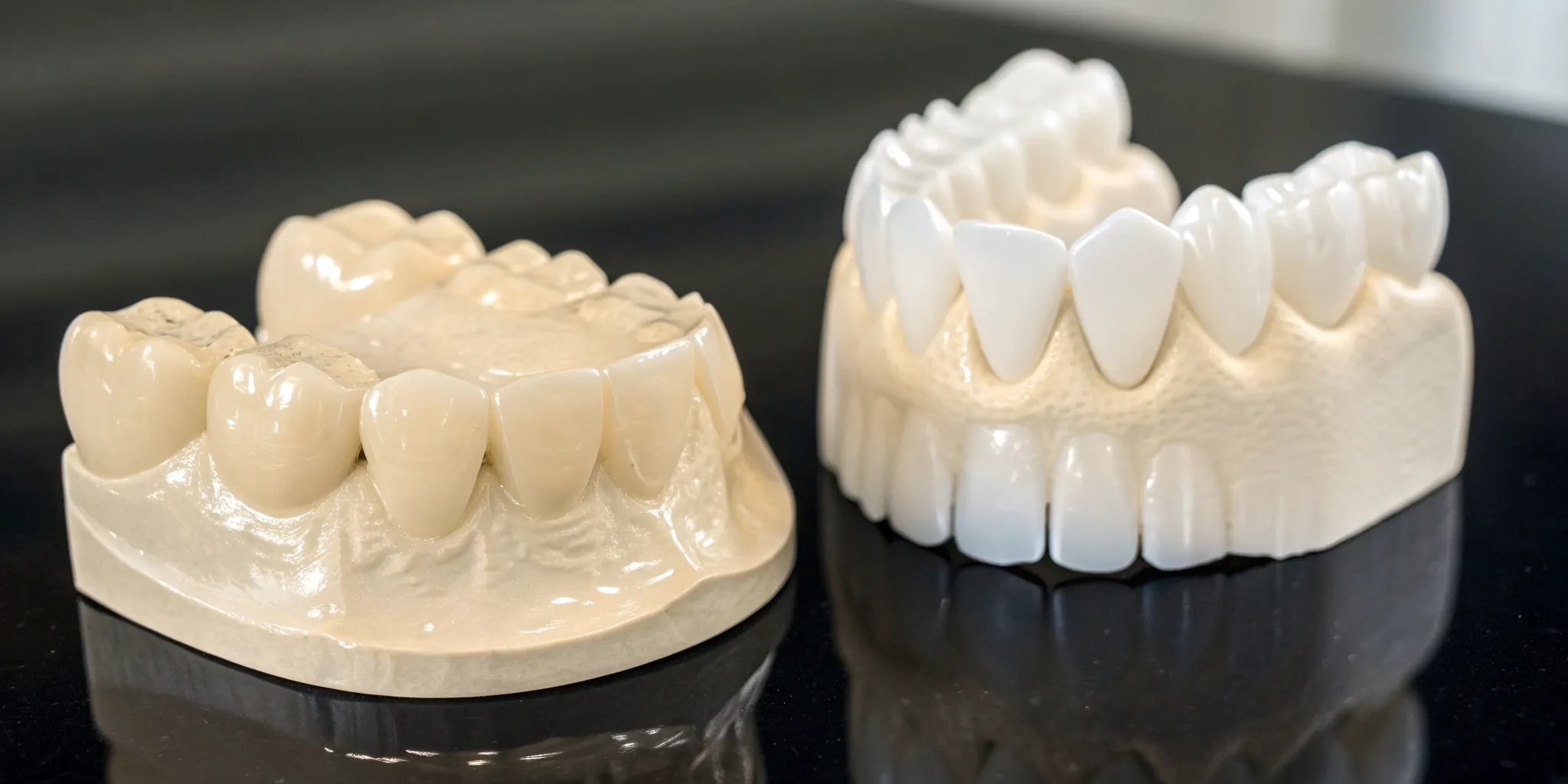




There’s a common misconception that any whitening product will work on any tooth, but that’s simply not true. If you have porcelain veneers, you may have already discovered this the hard way by noticing your natural teeth getting brighter while your veneers stay the same shade. This frustrating, uneven result happens because the topic of porcelain veneers whitening is unique. The ceramic material that makes your veneers so durable and stain-resistant is also what makes them immune to traditional whitening gels. Before you get discouraged, know that you have options. This article will clear up the myths and give you a clear, actionable plan for maintaining a seamlessly bright and beautiful smile.
Key Takeaways
- Maintain, Don’t Whiten: Traditional whitening products won’t work on porcelain and can create an uneven smile. Protect your veneers’ original color by using a soft-bristled brush with non-abrasive toothpaste and rinsing your mouth after consuming staining foods and drinks.
- Let a Professional Handle Stains: If your veneers look dull, the only safe way to restore their luster is with a professional polishing. Your dentist can gently buff away surface stains without scratching the porcelain, something at-home kits can’t do.
- Look Beyond the Surface for the Cause: Discoloration isn’t always from stains. It can be caused by the bonding cement darkening over time or by gum recession. Regular dental visits are crucial for diagnosing the true issue and finding the right solution.
Can You Whiten Porcelain Veneers?
It’s a question we hear all the time: “Can I use a whitening kit on my veneers?” It’s completely understandable to want to keep your smile looking its absolute best. While porcelain veneers are a fantastic way to achieve a bright, beautiful smile, they don’t respond to whitening treatments in the same way your natural teeth do. Let’s break down why that is and what you can do to keep your veneers looking great.
Why Whitening Treatments Don’t Work on Veneers
The simple reason whitening products don’t work on veneers is that they are made of different materials than your natural teeth. Whitening gels and strips are designed to penetrate the porous enamel of your teeth to break down stains. Porcelain, however, is a non-porous ceramic. It doesn’t have pores that can absorb the whitening agents, so the chemicals simply have no effect. Trying to whiten them is like trying to bleach a ceramic mug—it just won’t change the color. This is a key part of what makes cosmetic dentistry so effective; the materials are chosen for their stability and appearance.
How Veneer Material Differs From Natural Teeth
Your natural tooth enamel is full of microscopic pores. Over time, these pores can absorb pigments from foods and drinks like coffee, tea, and red wine, leading to stains. Whitening treatments work by getting into these pores and lifting the stains out. Porcelain veneers, on the other hand, are crafted to be highly stain-resistant from the start. They have a protective, shiny glaze on the surface that repels stains. While this glaze can wear down over many years, the underlying porcelain material itself is not porous and won’t absorb stains or whitening agents like enamel does.
Common Myths About Whitening Veneers
One of the biggest myths is that you can use at-home whitening kits on your veneers without any issues. Unfortunately, this can create an uneven look. The whitening product will lighten any exposed natural teeth, but your veneers will stay their original shade, making them stand out. The only way to change the color of a veneer is to have it replaced by your dentist. That’s why it’s so important to talk with a professional before trying any whitening system. Our team of doctors can help you find the best solution for your smile without risking damage to your beautiful veneers.
Why Do Veneers Get Stained or Look Dull?
Porcelain veneers are known for being durable and stain-resistant, but they aren’t invincible. Over time, you might notice them looking less vibrant. This discoloration often isn’t from the porcelain itself, but from other factors like daily habits, the health of your gums, or the material used to bond them to your teeth. Understanding these common causes is the first step to keeping your smile bright.
Everyday Wear on the Protective Glaze
Your veneers have a protective glaze that gives them a glossy, stain-resistant finish. This glaze is strong but can wear down from abrasive toothpastes or aggressive brushing. Once the glaze is compromised, the porcelain underneath becomes more porous and can pick up surface stains. A gentle daily care routine is key to protecting this layer and maintaining the color of your veneers.
When Gum Recession Reveals Your Natural Tooth
The health of your gums directly impacts how your veneers look. If your gums recede due to age or gum disease, the top of your natural tooth where the veneer ends can become exposed. This newly visible tooth area can stain, creating a noticeable color difference at your gumline. This is why consistent check-ups and proper periodontal treatment are so important for a seamless smile.
Stains from Coffee, Wine, and Other Habits
While porcelain resists stains better than natural enamel, it’s not completely immune. Frequent exposure to coffee, red wine, or tea can lead to surface stains, especially if the protective glaze is worn. Smoking is another major culprit that leaves behind stubborn discoloration. Being mindful of these habits and practicing good oral hygiene helps keep your cosmetic dentistry looking its best.
How the Bonding Cement Can Change Color Over Time
Sometimes, the veneer isn’t the problem. The dental cement that bonds the porcelain to your tooth can darken over many years. Because veneers are translucent to look natural, the discolored cement can show through, making the entire veneer appear dull. This is a gradual change, but it’s a common reason why veneers may eventually need to be replaced to restore their original brightness.
How to Keep Your Porcelain Veneers Bright
Your porcelain veneers are a significant investment in your smile, so you want to keep them looking brilliant. While you can’t use traditional whiteners, the good news is that preventing stains is entirely possible with a few consistent habits. Taking great care of your veneers will help them stay bright for years. Here’s how to maintain that picture-perfect smile.
Perfect Your At-Home Brushing Technique
When it comes to brushing your veneers, think gentle. A soft-bristled toothbrush is a must-have, as stiff bristles can create tiny scratches on the porcelain surface that attract stains over time. Pair your soft brush with a non-abrasive toothpaste—look for formulas without harsh ingredients like baking soda. Brushing twice a day with a gentle, circular motion will remove plaque and debris without damaging your veneers. It’s a simple switch in your routine that makes a huge difference in preserving their shine and supporting your overall general dentistry health.
Know Which Foods and Drinks to Limit
We all have our favorite indulgences, but some of them are notorious for staining. Dark-colored foods and drinks like coffee, red wine, tea, berries, and soy sauce contain strong pigments that can cling to the surface of your veneers. You don’t have to give them up completely, but being mindful can help. A great habit to adopt is rinsing your mouth with water right after you enjoy one of these items. This simple step helps wash away the staining compounds before they have a chance to settle. It’s a small adjustment that can go a long way in keeping your smile consistently bright.
Adopt Habits That Protect Your Veneers
Beyond your brushing technique, a few other habits are key to protecting your investment. First, steer clear of whitening toothpastes. While they work on natural enamel, their abrasive ingredients can damage the glaze on your veneers, making them more susceptible to staining. The same goes for any oral care products containing baking soda. It’s also wise to treat your veneers with care—avoid using your teeth to open packages, chew on ice, or bite your nails. These actions can cause chips or cracks, compromising the look and integrity of your beautiful cosmetic dentistry work.
Stick to a Professional Cleaning Schedule
Your at-home care is crucial, but it can’t replace the expertise of a professional cleaning. Regular dental visits are the secret weapon for keeping your veneers in top condition. Your hygienist uses special instruments and a gentle polishing paste designed specifically for porcelain, which can safely remove surface stains and plaque buildup that your toothbrush might miss. These appointments, typically every six months, not only keep your veneers looking bright but also allow your dentist to check the underlying tooth and gum health. Think of it as essential maintenance that ensures your entire smile stays healthy and radiant for the long haul.
What to Do If Your Veneers Become Discolored
Seeing your once-bright veneers start to look dull or discolored can be disheartening, especially after you’ve invested in your smile. But don’t worry—this doesn’t mean you have to live with it. There are several effective ways to restore their brilliance. The key is to work with your dentist to find the right approach for your specific situation, as trying to fix it at home can often do more harm than good. Let’s walk through the professional options available to bring back that sparkle.
Ask About Professional Polishing
If your veneers have lost their luster due to surface stains from coffee, tea, or red wine, a professional polishing might be all you need. This isn’t your average cleaning. A dentist uses special tools and a gentle, non-abrasive paste to carefully buff away the surface discoloration without scratching the porcelain. Think of it as a deep clean that restores your veneers’ original shine and smoothness. It’s a quick, painless, and effective first step for tackling minor dullness. This simple cosmetic dentistry procedure can make a significant difference, helping your smile look refreshed and vibrant again.
Whiten Surrounding Teeth for a Better Match
Sometimes, your veneers might seem discolored simply because the neighboring natural teeth have yellowed over time. Creating a seamless smile is all about balance, so whitening the adjacent teeth can restore a uniform, bright appearance. In some cases, if your veneers are slightly translucent, your dentist might even suggest a special technique. By applying a whitening agent to the back of the natural tooth your veneer is bonded to, the whiteness can show through the porcelain, brightening the veneer from within. This is a highly specialized procedure that should only be performed by a dental professional to ensure the health of your teeth and the integrity of your veneers.
Understand When to Consider Replacement
Porcelain veneers are incredibly durable, but they aren’t permanent. If staining is deep within the material or the bonding cement has discolored, polishing won’t be enough. Significant gum recession can also expose the edge of the veneer and the natural tooth beneath, creating an uneven look. In these situations, the best option is often to replace the veneers. While this may sound like a big step, it’s also an opportunity to get a fresh, beautiful result with modern materials that are even more stain-resistant. Your dentist will help you determine if replacement is the right path forward for restoring your smile completely.
Work with Your Dentist to Find the Right Solution
Ultimately, the best way to address discolored veneers is to get a professional opinion. Trying at-home whitening kits or abrasive toothpastes can permanently damage the surface of your veneers, making them more susceptible to future staining. Your dentist can accurately identify the cause of the discoloration and recommend the most effective treatment, whether it’s a simple polish, whitening your natural teeth, or considering a replacement. The expert team at Harlem Center for Aesthetic Dentistry can create a personalized plan to safely restore the beauty of your smile. Schedule a consultation to find the perfect solution for you.
Why Regular Dental Visits Are Key for Veneer Care
Think of your relationship with your dentist as a partnership in maintaining your beautiful smile. While your at-home care routine is the foundation, regular professional check-ups are what protect your investment for the long haul. Veneers are incredibly durable, but they aren’t invincible. They need professional oversight to stay bright and secure. During these visits, we do more than just a standard cleaning; we perform a detailed check of your veneers, the underlying teeth, and your gum health. This proactive approach ensures any potential problems are addressed before they can impact the look and feel of your smile, keeping your veneers looking as stunning as the day you got them.
The Importance of Routine Maintenance
Just like your natural teeth, veneers need regular professional cleanings to look their best. Over time, a film of plaque and stains can build up, especially around the edges where the veneer meets the gum line. While your daily brushing helps, our specialized tools can gently and effectively polish your veneers to remove surface stains and restore their original luster. These routine general dentistry appointments are your first line of defense against dullness. A professional cleaning removes the buildup that at-home brushing can miss, helping to maintain the bright, seamless appearance of your entire smile and keeping your gums healthy in the process.
Catching Potential Issues Early
Regular dental visits allow us to spot subtle changes you might not notice in the mirror. For instance, if the natural tooth underneath a veneer has started to darken, we can sometimes address it before it affects the veneer’s appearance. We also check the integrity of the bonding agent that holds your veneers in place and examine your gums for any signs of recession, which could expose the edge of the veneer. Catching these issues early is crucial. It gives us more options for simple fixes, helping you avoid more complex and costly procedures down the road and ensuring the long-term health of your smile.
Creating a Custom Care Plan for Your Smile
Your smile is unique, and so is the care plan required to maintain it. During your check-ups, we can provide personalized advice tailored to your specific needs and lifestyle. If we notice a particular type of staining, we can discuss which habits might be contributing to it and offer practical solutions. The safest and most effective way to care for your veneers is to work directly with a dental professional who understands your history. We can create a cosmetic dentistry care plan that includes the right cleaning schedule and at-home techniques to keep your veneers looking flawless for years to come.
How Your Dentist Helps Extend the Life of Your Veneers
Our goal is to help you get the most out of your veneers. Professional cleanings not only bring back their shine but also allow us to monitor their condition over their lifespan. While porcelain is highly resistant to staining, it’s normal for veneers to show some wear after many years. When the time comes, our team of expert doctors will be able to tell you when a replacement is the best option to maintain your smile’s vitality. By partnering with us for regular care, you’re taking the most important step toward ensuring your veneers remain a beautiful, confidence-inspiring feature for as long as possible.
Related Articles
- Porcelain Veneers
- Create a Beautiful Smile with Cosmetic Dentistry
- Teeth Whitening
- General Dentistry
- Post-Op Care Guidelines
Frequently Asked Questions
Should I whiten my natural teeth before getting veneers? Yes, absolutely. This is a step we highly recommend. Since porcelain veneers are matched to the color of your surrounding teeth and cannot be whitened later, it’s best to get your natural teeth to a shade you love first. This ensures we can create veneers that blend seamlessly for a consistently bright smile from the start.
Is it safe to use whitening toothpaste on my veneers? It’s best to avoid whitening toothpastes. Most of them contain abrasive ingredients that are designed to scrub surface stains off natural tooth enamel. These same ingredients can scratch the smooth, protective glaze on your porcelain veneers, which can make them look dull and attract more stains over time. Stick to a gentle, non-abrasive toothpaste to keep them in great shape.
My veneers look fine, but my natural teeth next to them look yellow. What should I do? This is a very common situation, and the solution is straightforward. We can professionally whiten your natural teeth to bring them back to the original shade of your veneers. This restores a uniform and balanced look to your smile without affecting the veneers themselves. It’s a simple way to refresh your entire smile.
How is a professional polishing for veneers different from a regular dental cleaning? During a regular cleaning, the focus is on removing plaque and tartar from all your teeth for oral health. A professional polishing for veneers is a more specialized cosmetic treatment. We use a very fine, non-abrasive polishing paste and specific tools to gently lift surface stains from the porcelain itself, which restores its original luster and shine without causing any damage.
If my veneers are stained, does that mean I have to replace them? Not necessarily. The right solution depends entirely on the cause of the discoloration. If the issue is just surface stains from things like coffee or wine, a professional polishing can often restore their brightness. However, if the discoloration is coming from the bonding material underneath or if the veneer itself is old and worn, then replacement might be the best option for getting your smile back to its best.